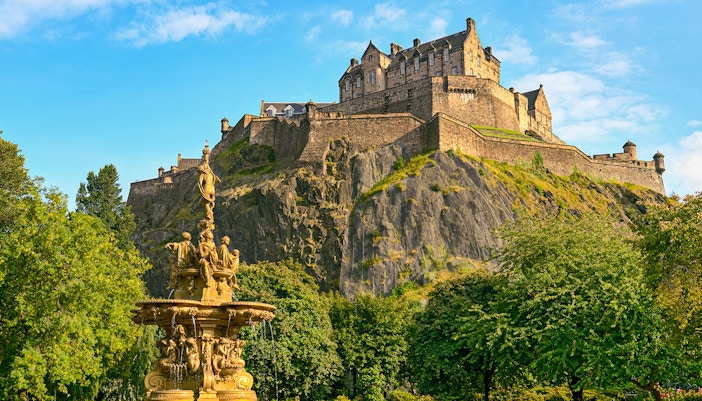
Castle Rock formed around 350 million years ago when volcanic activity left hardened magma beneath the surface. Over time, erosion stripped away softer rock, leaving the hard dolerite plug rising above the city, creating a defensive site that drew settlers.
Explore Castle Rock in Edinburgh: Home to Edinburgh Castle
Towering above the city of Edinburgh, Castle Rock is a 140-metre-high ancient volcanic crag that has shaped the history, culture, and skyline of Scotland’s capital. With the iconic Edinburgh Castle at its summit, the site goes beyond sightseeing, revealing layers of Scottish history, defensive design, and striking natural landscape. Here is everything you need to know about this 350-million-year-old volcanic plug before your visit.
History of Castle Rock

Volcanic origins and geological formation
Early human use and strategic importance
Long before stone castles, people recognised the rock’s strategic advantage. Iron Age settlers built a hill fort here, and early records show it served as a stronghold well before medieval times. Castle Rock is one of Europe’s oldest continuously fortified sites.

Medieval fortress and royal residence
By the early medieval period, the site was central to the Scottish kingdom. The castle later served as both a royal residence and a defensive stronghold, witnessing key moments in Scotland’s monarchy.

Wars, sieges, and Scottish independence
Castle Rock’s defences made it a key battleground. Over the centuries, English and Scottish forces repeatedly fought for control. Edinburgh Castle has been besieged more than any other place in Britain, underscoring its strategic importance.

Military use and later history
From the late 1500s, Edinburgh Castle increasingly served as a military garrison. Today, parts of the castle still serve military roles, while the site houses museums and memorials that reflect its long martial history.
Heritage and modern identity
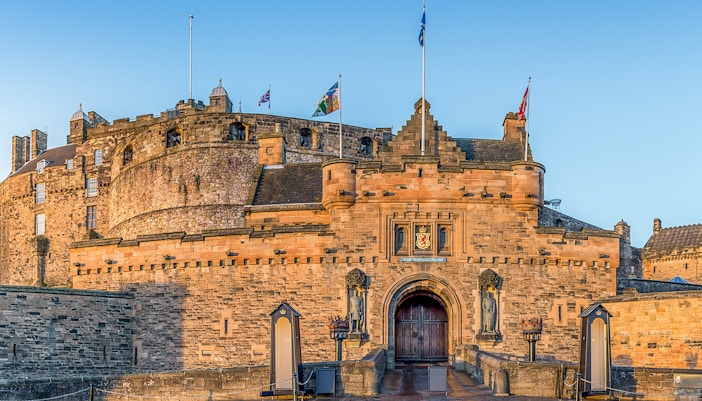
Over the last 200 years, Castle Rock and Edinburgh Castle have become leading heritage attractions. Its position and layered human history make Castle Rock one of the most significant historic places in the United Kingdom.
How Castle Rock shaped Edinburgh’s landscape and city
Castle Rock is more than a dramatic elevation. Its geology and shape influenced Edinburgh’s expansion, and urban identity over centuries.
Natural fortress that directed urban growth
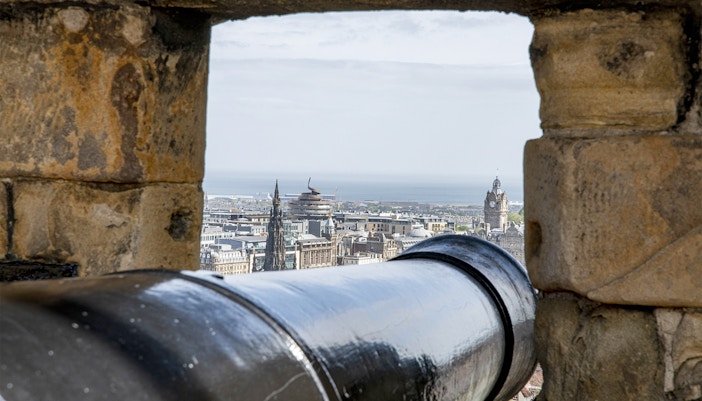
Castle Rock’s steep cliffs created a natural defensive position long before fortifications were built. Early settlers and medieval builders chose the site for its strategic advantage and commanding view over the surrounding terrain.

The “crag and tail” effect
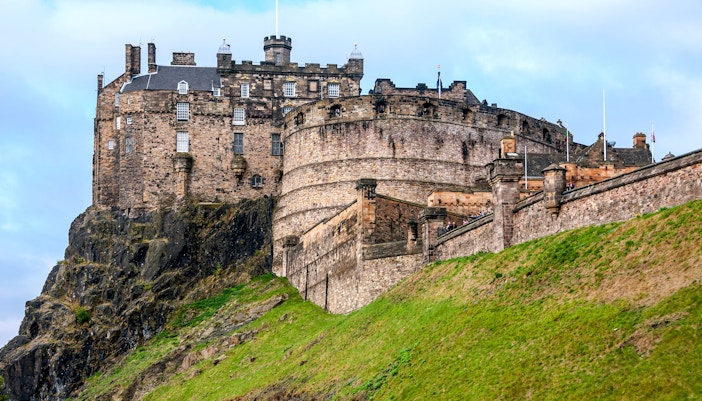
Castle Rock is a classic “crag and tail” formation. Glaciers eroded surrounding softer rocks, leaving a steep crag and a gentler tail, which became the foundation for the Royal Mile and Old Town streets, linking the castle to the Palace of Holyroodhouse.

Microclimate and visibility in the city
The rock affects wind patterns and light across central Edinburgh. Its height provides a constant landmark and distinctive views of the city below.
Bedrock and building materials
The volcanic dolerite forming Castle Rock underlies much of central Edinburgh. It was quarried locally, used in construction, and contributed to the dense, layered appearance of Old Town architecture.

A defining influence on city identity
Castle Rock shaped Edinburgh’s skyline and urban character. Streets, rooftops, and the gradual rise from Old Town to new developments reflect the interplay of natural landscape and human design.
What’s on Castle Rock
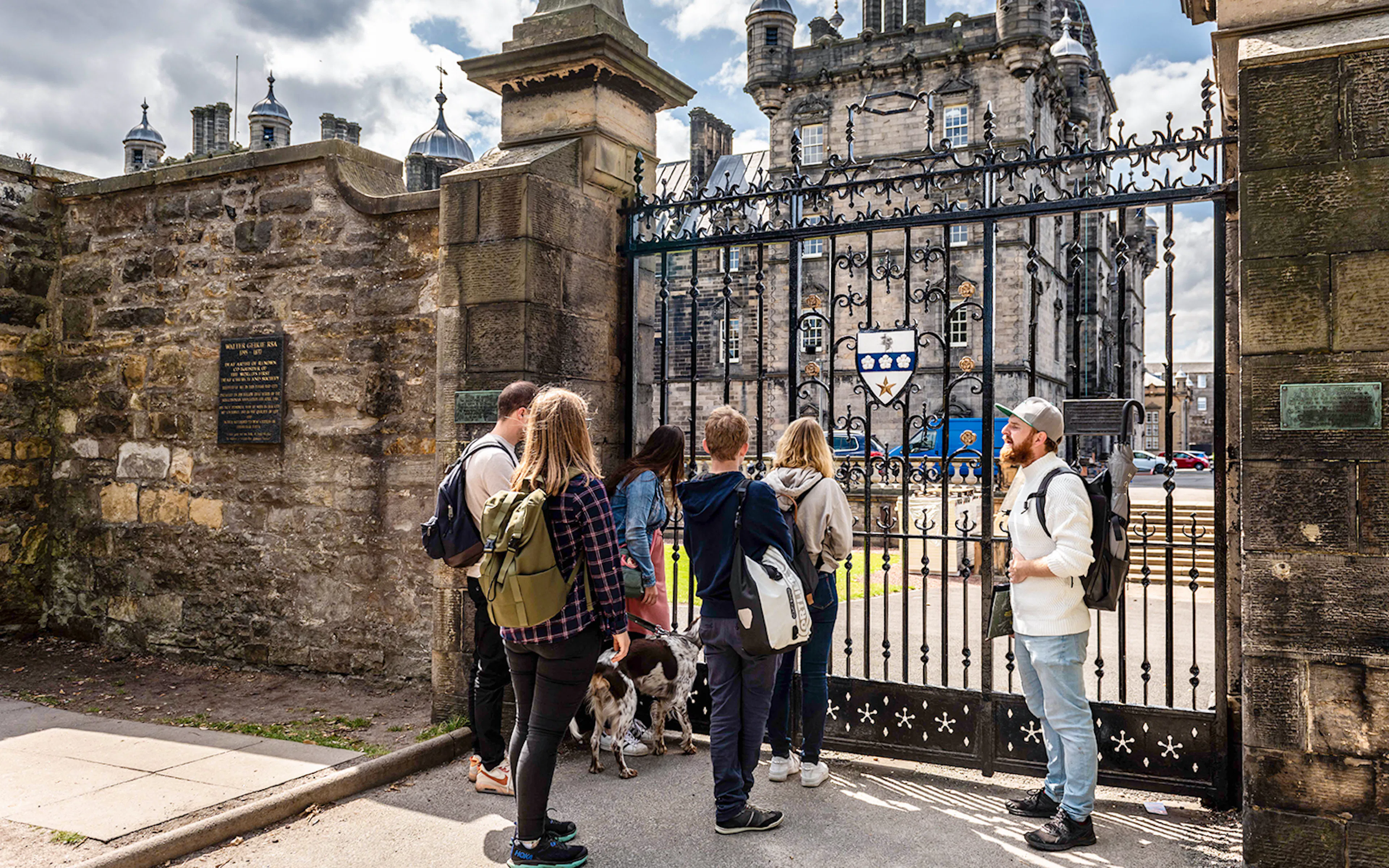
1/8
Edinburgh Castle
At the summit, the castle dominates Castle Rock, housing St. Margaret’s Chapel, the Crown Jewels, and military museums. It remains the focal point of the rock’s historical and cultural significance.
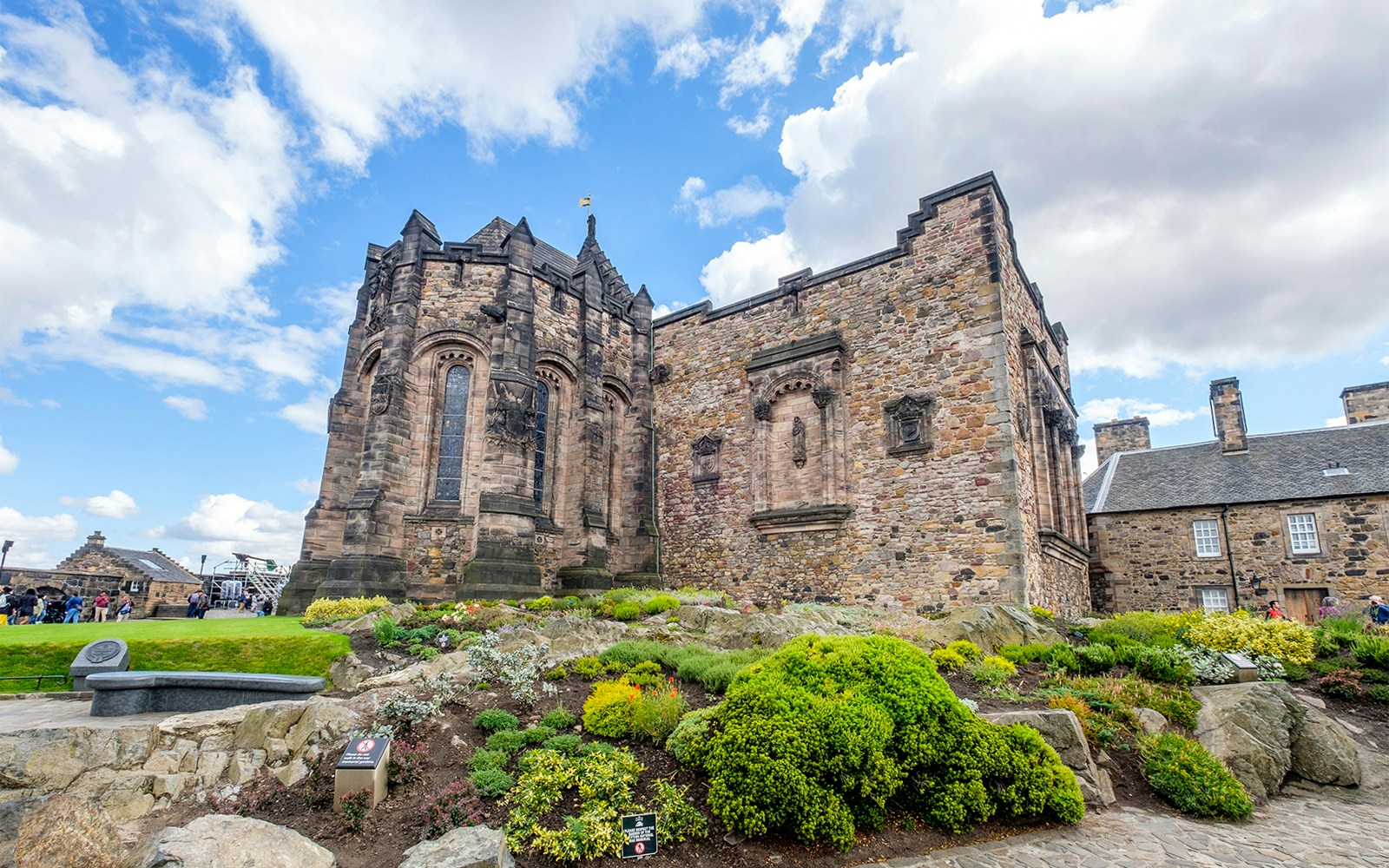
St Margaret’s Chapel
Built in the early 12th century, this is the oldest surviving building on Castle Rock. It was founded by King David I in memory of his mother, Queen Margaret, and remains a functioning chapel and historic monument.
Scottish National War Memorial
Located within the castle precincts, this 20th-century memorial commemorates Scottish soldiers who died in the First and Second World Wars, as well as later conflicts. It is a key ceremonial and historical site on the rock.
Mons Meg
A 15th-century siege cannon, Mons Meg sits outside the castle and is one of the most famous artillery pieces in Scotland. It weighs six tons and historically fired massive stone cannonballs in military demonstrations.
Esplanade and parade grounds
Open spaces surrounding the castle walls were historically used for troop assemblies, parades, and public ceremonies. They provide clear views of the rock’s natural cliffs and defensive positioning.
Defensive walls and batteries
Key external fortifications include the Half Moon Battery, Mills Mount Battery, and Portcullis Gate. These structures leverage the rock’s natural elevation to defend the castle’s approaches.
Nor Loch and tail ridge
The eastern slope of the rock forms the “tail” of the crag-and-tail formation. The former Nor Loch, a man-made defensive water feature, lay to the north and is now Princes Street Gardens.
Dogs’ Cemetery
A small 19th-century cemetery on a ledge below the summit preserves the graves of regimental mascots and pets associated with the castle’s garrison.
Unique facts about Castle Rock
Volcanic origin
Castle Rock is the exposed remnant of a volcanic pipe formed around 350 million years ago. Glacial erosion removed softer rock, leaving a steep crag that shaped the Royal Mile and Old Town


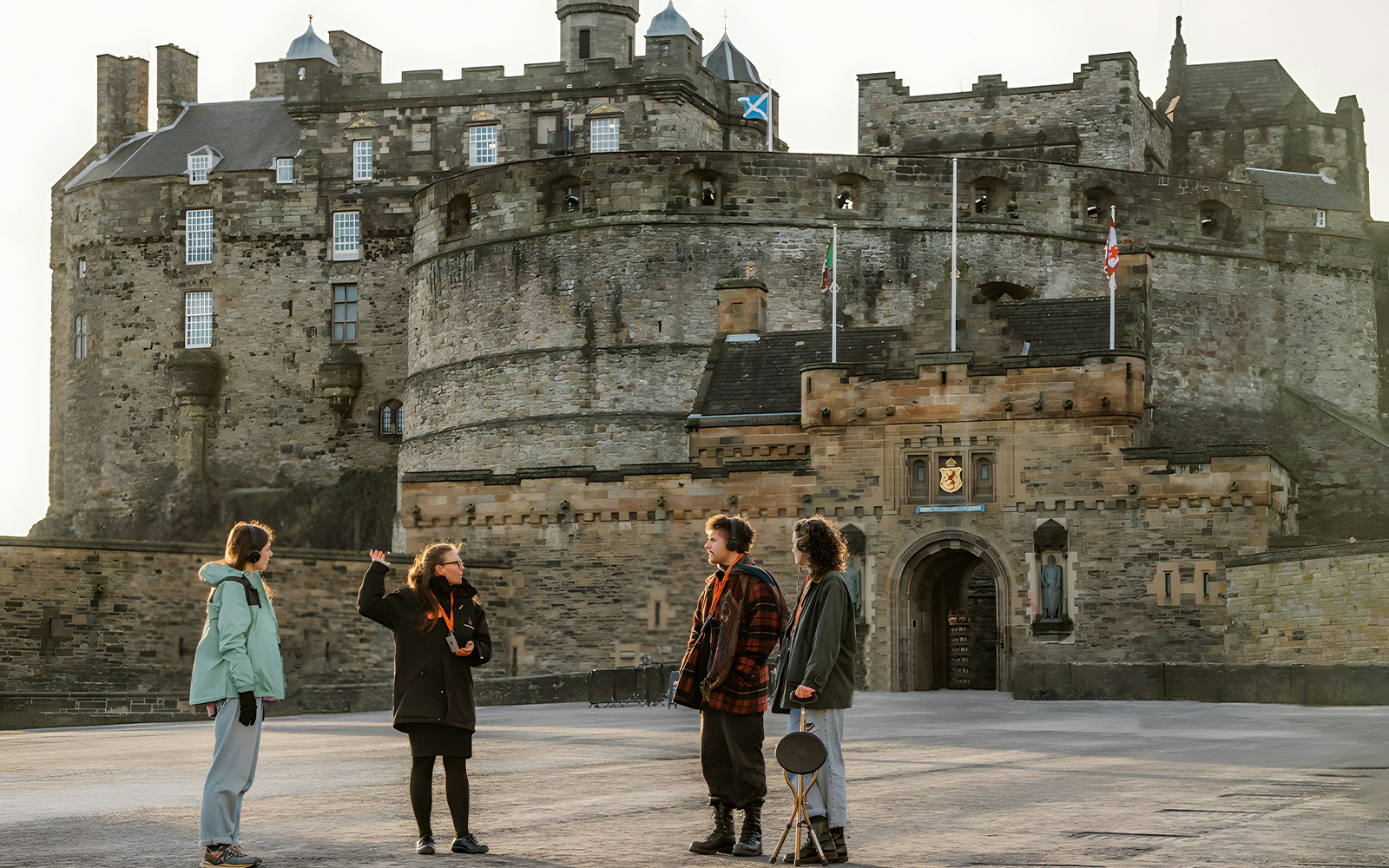

Visitor tips for Castle Rock
- Castle Rock’s natural slopes and historic stairways are uneven and, in places, steep. Wear sturdy, supportive footwear with good grip. Even paved paths can be slippery when wet.
- Castle Rock is exposed to the elements. Wind and rain can feel stronger than at street level. Dress in layers and bring waterproofs if rain is expected.
- There are several viewpoints around the rock’s edges where the ground drops sharply. Stay on designated paths and be cautious at lookouts, especially in wet or windy conditions.
- The crag and tail shape of the rock gives unique panoramic view opportunities. For the best photo angles, walk along the eastern side of the rock, where the tail slopes gently toward the city.
- Castle Rock is both a natural geological feature and a historic site. Avoid climbing on fragile rock surfaces or disturbing vegetation, and follow all posted signage to protect the landscape.
Frequently asked questions about Castle Rock in Edinburgh
Yes. There are public paths around the rock that offer views of the city and the castle, but access to the summit and castle grounds requires a ticket.
Yes, but adult supervision is essential. The paths can be steep, uneven, and rocky, and there are high cliff edges along the trails.
Wear sturdy shoes with a good grip. The rock is exposed to wind and rain, so layered clothing and weather-appropriate gear are recommended.
Yes. The crag and tail formation provides several vantage points with panoramic views of Edinburgh, the Old and New Towns, and surrounding hills.
Some routes, especially near the summit and cliff edges, are steep and cobbled. Plan your route according to your mobility and stamina.
Yes. Hardy plants, mosses, and lichens grow in the rock’s crevices, and peregrine falcons sometimes nest on the cliffs.
Caution is advised during rain or strong wind. Paths can become slippery, and exposed cliff edges increase risk.


