Edinburgh Tickets
Edinburgh Castle

Honours of Scotland

Included with Edinburgh Castle tickets

Timings

RECOMMENDED DURATION

2 hours

Honours of Scotland at Edinburgh Castle

Top things to do in Edinburgh

Quick overview

  • Access: Included in all Edinburgh Castle tickets
  • Separate ticket: Not required
  • When you’ll see it: Midway through the castle route, in Crown Square inside the Royal Palace
  • Visit duration: 15–20 mins self-guided/20–30 mins with a guide
  • Best time: First entry slot on a weekday; late morning queues build fastest at the Crown Room
  • Restrictions: None beyond standard Edinburgh Castle security and queue-management rules

The Honours of Scotland are included with all Edinburgh Castle tickets. No separate ticket is needed. You’ll reach them in the upper part of the castle at Crown Square, usually midway through your visit, and you can head there directly once inside, even though you cannot enter them independently of the castle. Book a guided Edinburgh Castle ticket if you want the story behind the crown, sceptre, sword, and Stone of Destiny explained clearly before you join the display-room queue.

How to best experience the Honours of Scotland

Best time to visit

Go at the first entry slot on a weekday if you can. The Crown Room is one of the castle’s biggest bottlenecks, and queues build noticeably from late morning onward. If you choose a midday arrival, expect more waiting and less time to linger.

How long to spend

Plan 15–20 minutes self-guided or 20–30 minutes with a guide. The objects are smaller than many visitors expect, so the value comes from slowing down and reading context, not just walking past the cases.

Where it fits in your itinerary

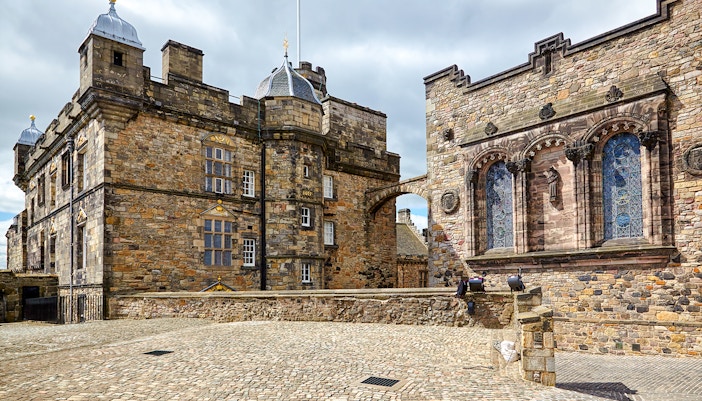
The Honours sit in Crown Square, after the uphill approach through the castle. If your Edinburgh trip includes a Tattoo Edinburgh Scotland performance, visit the castle earlier that day so you reach this room before evening plans compress your timing.

Crowd patterns

Queues peak from about 11am to 2pm, especially in summer and during school holidays. At busy times, staff keep the line moving through the display area. Earlier or later visits give you a calmer, more readable experience.

What to prioritize if time is short

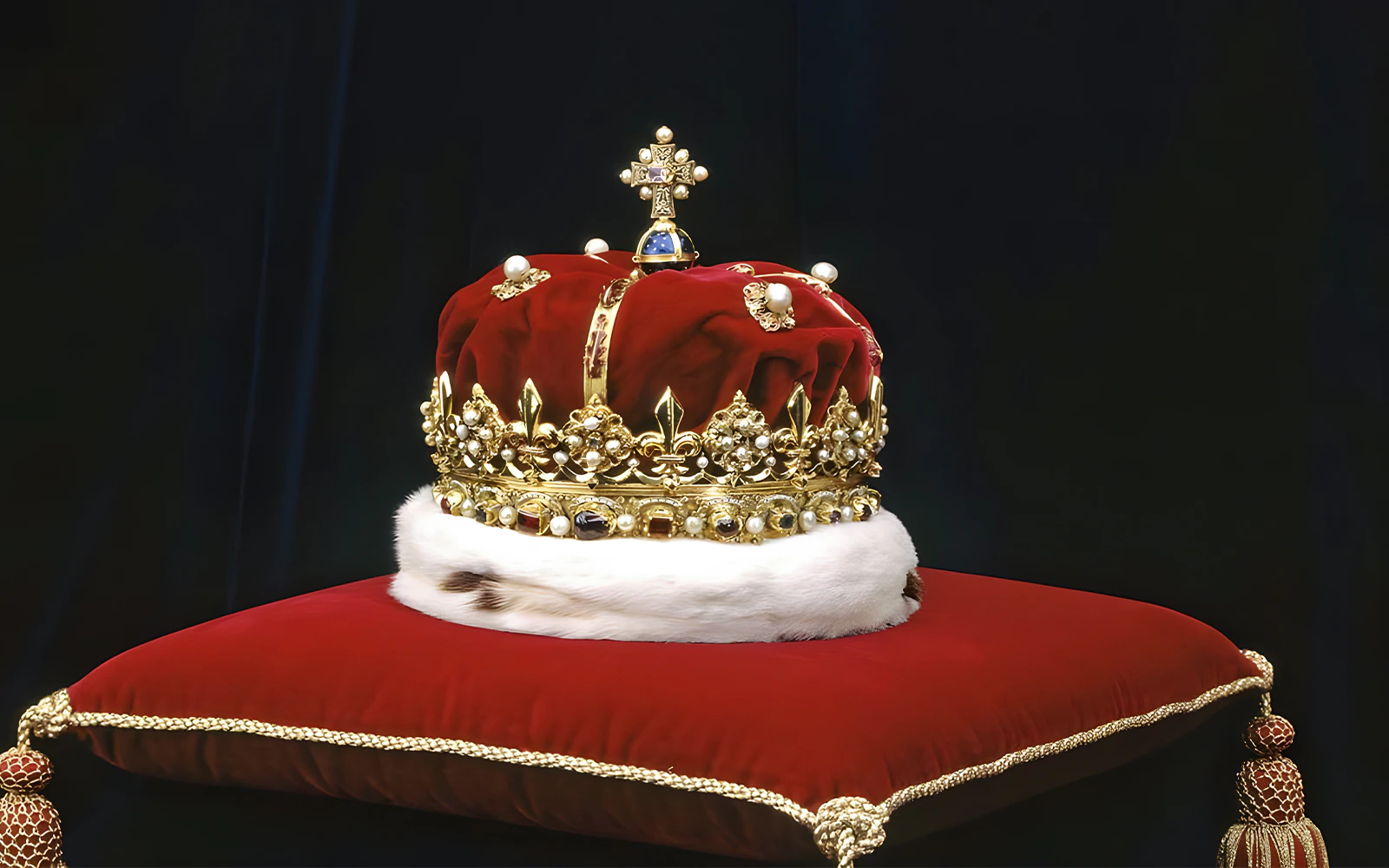
Focus first on the crown, then the sceptre and sword, and finally the Stone of Destiny. These four objects carry the real historical weight here. If time is tight, trim other indoor stops before you skip this room.

Common mistakes to avoid

Most visitors treat this as a quick photo stop and move on too fast. Read the labels, note the dates, and remember these are original state regalia, not reproductions. Also, don’t save this room for the very end.

Best tickets to experience the Honours of Scotland

Ticket typeWhy choose it

Guided tour

Best if you want the Honours explained in context, not just viewed behind glass.

Castle + Hop-On Hop-Off combo

Good for a full Edinburgh day when you want castle entry plus simple city transport.

Castle + royal attractions combo

Strong choice if the Honours are part of a wider royal-history itinerary across Edinburgh.

Why it’s worth seeing

The Honours of Scotland matter because they are the actual regalia of the Scottish monarchy, not later replicas or ceremonial substitutes. Most visitors also don’t realise they were locked away after the 1707 Union and only rediscovered in 1818, which changes the room from a treasure display into a story about statehood, memory, and survival. When you step inside, focus on three things first so the display becomes easier to read.

The crown: start at the center of the case

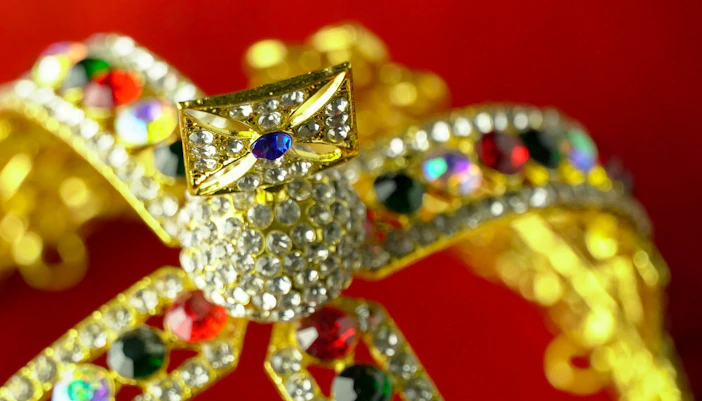
Look for the gold crown at the centre of the main display. James V had it remodelled in 1540, and its arches, fleur-de-lis, and enamel work make clear this was a working symbol of monarchy, not decorative jewellery.

The sceptre and sword: read them as diplomatic gifts

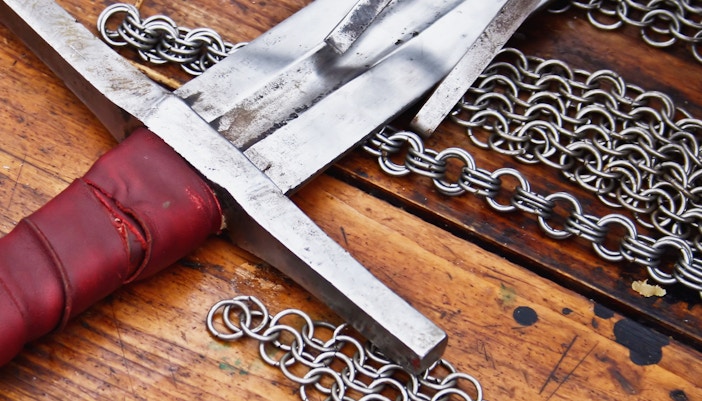
Beside the crown, find the sceptre and sword of state. The sceptre was a papal gift to James IV, and the sword came from Pope Julius II. Together, they show how Scotland projected legitimacy through ceremony, alliance, and religion.

The Stone of Destiny: don’t leave without looking lower

The Stone of Destiny is easier to rush past than the jewelled objects, but it carries enormous weight. Used in coronation traditions for centuries, it anchors the Honours in kingship, not ornament. Pause here before you move on.

Historical & cultural significance

The Honours of Scotland are the oldest crown jewels in Britain, and that fact matters more once you know they survived union, concealment, and political change. Used for Scottish coronations and later hidden after 1707, they were rediscovered in 1818 and now stand at the centre of Scottish national memory. Their role did not end in the past either: the Honours have been used at modern state openings of the Scottish Parliament.
👉 Explore the full history of Edinburgh Castle

Notable figures

James V | King

Had the crown remodelled in 1540, shaping the set visitors recognise today.

Know more

James IV | King

Received the sceptre and sword through papal diplomacy, expanding the regalia’s political meaning.

Know more

Walter Scott | Writer and antiquary

Led the 1818 rediscovery of the Honours after more than a century in hiding.

Know more

Mary, Queen of Scots | Queen

Her reign ties the Honours to Scotland’s dynastic drama and royal ceremony.

Know more

Know before you go

  • Open: The Honours of Scotland follow Edinburgh Castle opening hours, typically 9:30am–6pm in summer and 9:30am–5pm in winter
  • Last entry: Usually 1 hour before castle closing
  • Closed: Access depends on Edinburgh Castle closure dates and operational changes
  • Seasonal note: The Honours had a scheduled closure from January 12 to Easter 2026; check for current conservation closures before visiting

Detailed timings

Address: Edinburgh Castle, Castlehill, Edinburgh EH1 2NG, United Kingdom

  • Nearest station: Edinburgh Waverley, around a 15-minute uphill walk
  • Nearest area: Royal Mile, with the castle entrance at the top of Castlehill
  • Entry point: Use the main Edinburgh Castle entrance; the Honours have no separate access point
  • Position in route: Allow about 20–30 minutes from the main gate to Crown Square if you head there directly

Get directions

  • Wheelchair access: Partial; Edinburgh Castle is not fully wheelchair-accessible because of steep gradients, uneven surfaces, and some steps
  • Accessible route: Staff can advise on the most accessible route to Crown Square on arrival
  • Approach conditions: The display itself is indoors, but getting there involves uphill historic terrain
  • Visual support: Edinburgh Castle offers an official audio guide for an extra fee
  • Hearing support: Check with castle staff for current assisted-visit options before entering the upper castle

Plan your visit

  • Large bags: Bags over 30L are not permitted inside Edinburgh Castle
  • Pets: Pets are not allowed, except registered service animals
  • Drones: Drones are prohibited on castle grounds
  • Operational changes: Staff may manage visitor flow through the Crown Room during busy periods
  • Closure note: Temporary conservation or operational closures can affect access to the Honours even when the castle is open

Plan your visit

  • Terrain: Reaching Crown Square involves steep uphill sections and uneven historic surfaces
  • Standing time: Expect short periods of standing in line during busy hours
  • Difficulty: Moderate; the walk up is more demanding than the display itself
  • Steps: Some castle areas include steps, though alternative routes may be available in parts
  • Rest strategy: Use pause points in the lower castle before continuing to the Royal Palace and Crown Room

Plan your visit

Frequently asked questions about the Honours of Scotland

Yes. Entry to the Honours of Scotland is included with every valid Edinburgh Castle ticket. No separate ticket exists.

More reads