A detailed look at what's inside Edinburgh Castle

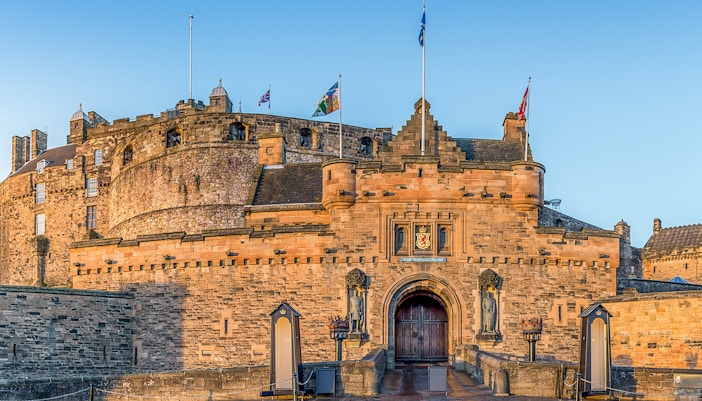
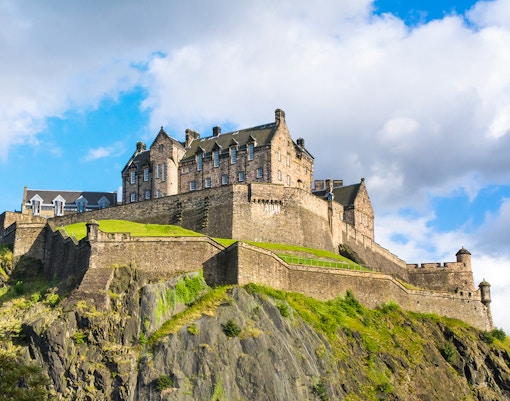
Edinburgh Castle is Scotland’s most famous and prestigious fortress, housing centuries of royal history and heritage. From powerful national symbols to some of the country’s most treasured artifacts, everything sits within a stronghold that has dominated the city skyline for nearly 1,000 years.

There’s a lot to see and explore here, so here’s a quick overview of what to expect inside.

  • Must-sees: The Honours of Scotland (Scotland’s Crown Jewels), the historic Stone of Destiny, and the Great Hall with its impressive medieval weapons display.
  • Hidden gem: St. Margaret’s Chapel, the oldest surviving building in Edinburgh, dating back to the 12th century.

What’s inside Edinburgh Castle?

Great Hall

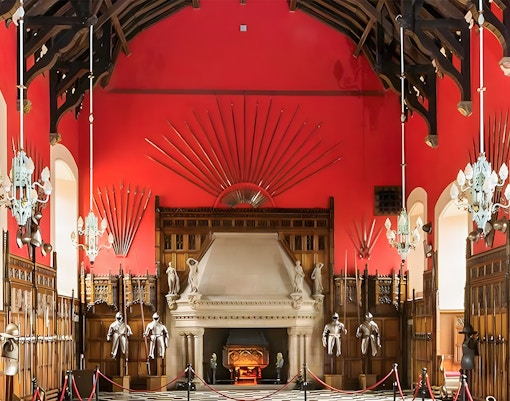
The Great Hall is a grand medieval hall built for King James IV in 1511 and was once used for royal banquets and state ceremonies within the castle.

Why it’s a must-see: Its hammer-beam roof, one of the finest surviving medieval wooden ceilings in Britain, offers a glimpse into the castle’s royal and military past.
Royal Palace

Built in the early 1500s within Crown Square, the Royal Palace served as a residence for Scottish monarchs and includes the chamber where James VI of Scotland was born in 1566.

Why it’s a must-see: The birth chamber of James VI marks a pivotal moment in British history, as he later became the first monarch to unite the crowns of Scotland and England.

The Stone of Destiny

The Stone of Destiny is an ancient coronation stone historically used in the crowning of Scottish monarchs and closely tied to Scotland’s royal traditions.

Why it’s a must-see: This powerful national symbol connects visitors directly to centuries of Scottish coronations and royal legitimacy.

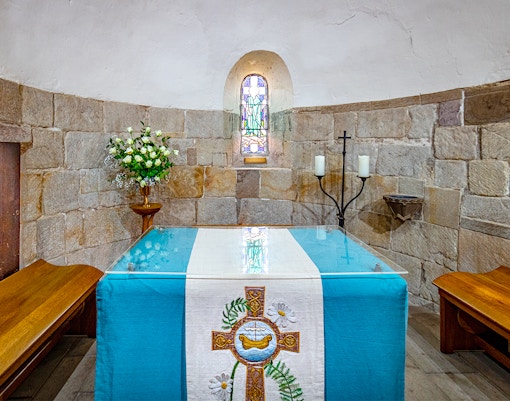
St Margaret’s Chapel

St. Margaret’s Chapel was built around 1130 by King David I in memory of his mother, Queen Margaret. It is the oldest surviving building in Edinburgh.

Why it’s a must-see: As the castle’s oldest structure, it offers a rare window into the fortress’s early medieval origins and a contrast to the surrounding military architecture.

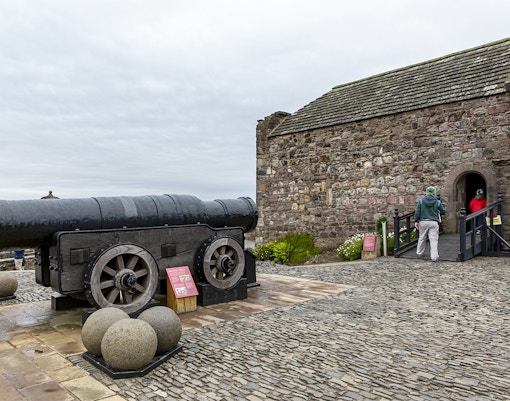
Mons Meg

Mons Meg is a massive 15th-century siege cannon gifted to King James II in 1457 and once used in warfare and royal ceremonies.

Why it’s a must-see: One of the largest surviving medieval cannons in Europe, it illustrates the scale and technology of historic siege warfare.

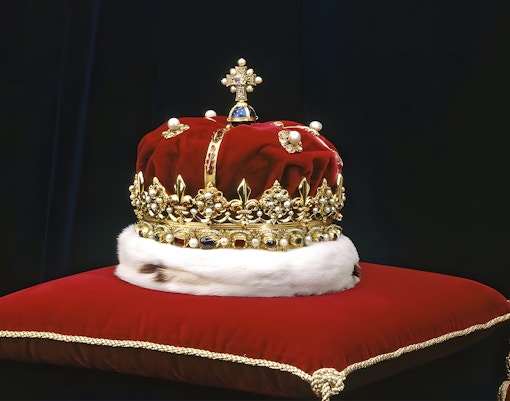
Honours of Scotland

The Honours of Scotland are the Scottish Crown Jewels, consisting of the Crown, Sword of State, and Sceptre used in royal ceremonies and coronations.

Why it’s a must-see: As the oldest crown jewels in the British Isles, they represent the authority and ceremonial tradition of the Scottish monarchy.

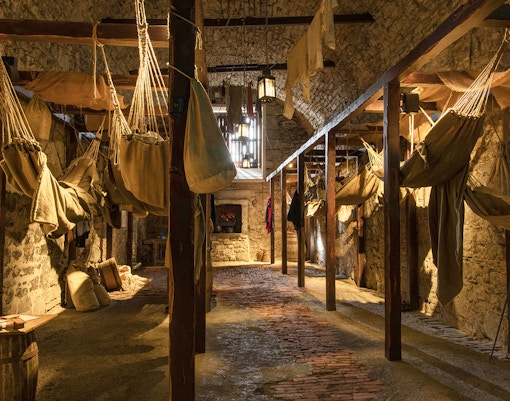
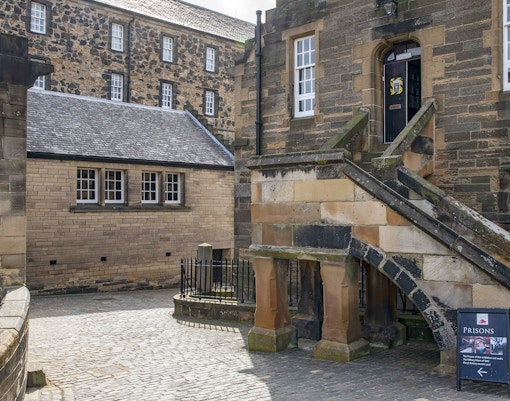
Prisoners of War Vaults

The Prisoners of War Vaults once held captured sailors and soldiers during conflicts, including the American Revolutionary War and the Napoleonic Wars.

Why it’s a must-see: These preserved underground chambers reveal the human side of the castle’s military history and the realities faced by prisoners held within its walls.

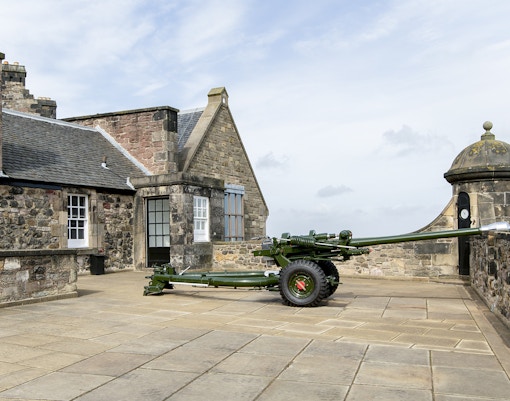
One O’Clock Gun

The One O’Clock Gun is a historic cannon fired daily since 1861 to signal the time to ships in the nearby Firth of Forth.

Why it’s a must-see: This long-standing daily tradition remains one of Edinburgh’s most iconic spectacles and a living reminder of the city’s maritime history.

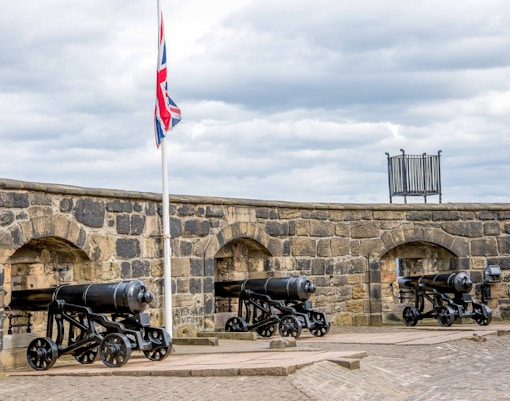
Half Moon Battery

The Half Moon Battery is a defensive artillery platform built in the late 1500s after the Lang Siege and constructed over the ruins of David’s Tower.

Why it’s a must-see: Its elevated position offers some of the most spectacular panoramic views of Edinburgh while showcasing the castle’s formidable defensive design.

National War Museum

The National War Museum, located inside the castle, displays artifacts, uniforms, weapons, and objects related to Scotland’s military history.

Why it’s a must-see: Its carefully curated collections trace the story of Scotland’s soldiers and their role in conflicts across centuries.

Regimental museums

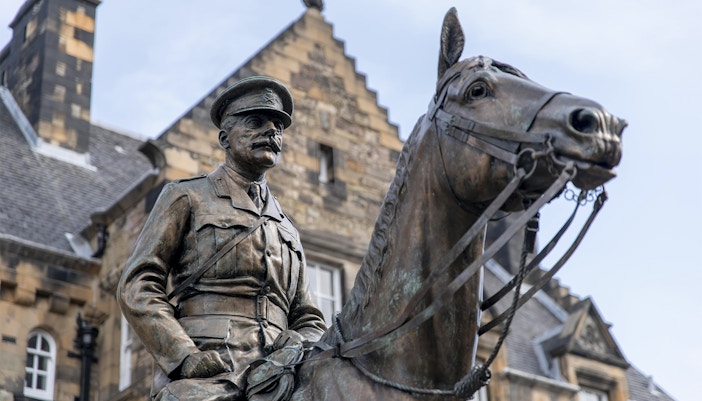
The regimental museums within the castle highlight the history of Scottish regiments, including the Royal Scots Dragoon Guards, through uniforms, medals, and military artifacts.

Why it’s a must-see: These displays preserve the traditions and identity of Scotland’s historic military regiments.

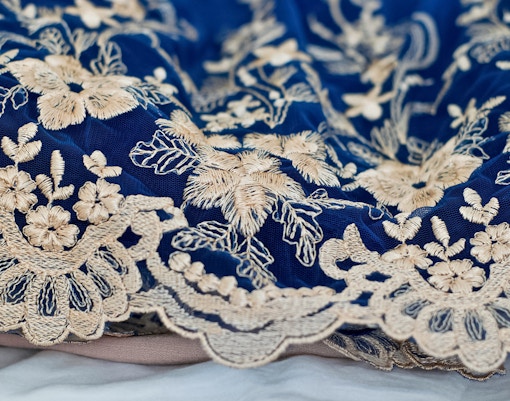
Queen’s Embroideries

The Queen’s Embroideries primarily include replicas of embroideries associated with Mary, Queen of Scots, displayed in the ante-chamber of the Royal Apartments.

Why it’s a must-see: The detailed designs reflect the artistic expression and symbolic storytelling associated with one of Scotland’s most legendary monarchs.

How to explore Edinburgh Castle

  • Book your tickets online at least two weeks in advance to secure your preferred time slot and avoid queues at the castle gates.
  • Arrive 10–15 minutes before your entry time to allow for ticket checks and security screening.
  • Bag checks may be carried out at the entrance as part of security procedures.
  • If you plan to explore more of the city in a day, consider combo tickets that include multiple attractions.
Book your tickets
  • Arriving early in the morning, at opening time, is the best way to explore before crowds gather at popular highlights like the Crown Jewels.
  • Late afternoon visits are often quieter and offer great views across Edinburgh.
  • If you want to watch the One O’Clock Gun, arrive early to secure a good viewing spot.
Plan your visit
  • Plan to spend 2–3 hours exploring the castle grounds, museums, historic buildings, and viewpoints.
  • If you're short on time, 60–90 minutes is enough to see highlights like the Crown Jewels, the Great Hall, and St Margaret’s Chapel.
  • A longer visit allows time to explore the military museums and scenic viewpoints at a relaxed pace.
Timings
  • Accessible parking spaces are available on the Castle Esplanade for visitors with mobility needs.
  • Manual wheelchairs are available on a first-come, first-served basis.
  • A mobility vehicle can transport visitors to Crown Square, helping those who may struggle with the uphill route.
  • Accessible toilets are available near Crown Square and other key areas within the castle.
  • Sensory backpacks and ear defenders are available for visitors who may benefit from sensory support.
  • Assistance dogs are welcome throughout the site.
  • Large backpacks or luggage over 30 litres are not permitted inside the castle for safety and crowd management reasons.
  • The castle cannot store luggage, prams, pushchairs, or large personal items during your visit.
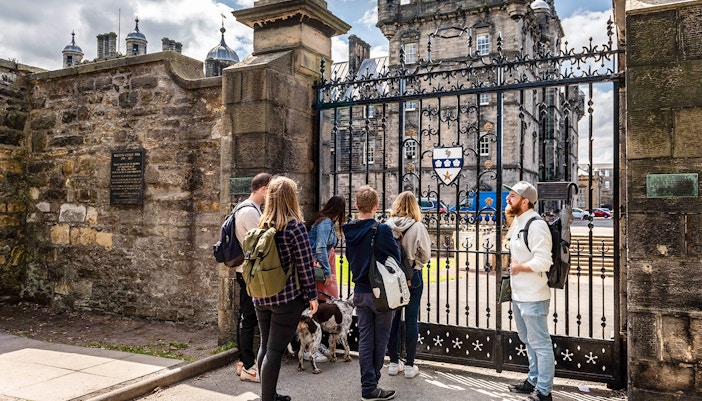
  • Pets are not allowed inside the castle, except for registered assistance dogs kept on a lead at all times.
  • Climbing on historic walls, monuments, or restricted structures is not permitted.
  • Drones and aerial devices are prohibited within the castle grounds.
  • Children must be supervised at all times due to steep drops and uneven terrain.

Visitor tips

  • Arrive early if you’re driving, as parking near the castle is limited and operates on a first-come, first-served basis.
  • Pick up a castle map at the entrance to help navigate the large site and plan your route efficiently.
  • If you need a wheelchair, they have two available on a first-come, first-served basis.
  • The One O’Clock Gun is extremely loud, so bringing earplugs or standing farther away during the firing can make the experience more comfortable.
  • There are accessible toilets in Crown Square, just in case you need them.

Frequently asked questions about what’s inside Edinburgh Castle

You will find a range of historic buildings, museums, and attractions inside Edinburgh Castle, including the Queen’s Embroideries, the One o’clock Gun, the Mons Meg, the National War Museum, and the Half Moon Battery to name a few.

More reads

History

Know more

Plan Your Visit

Know more