Holyrood Gardens I A walk through Scotland’s royal backyard

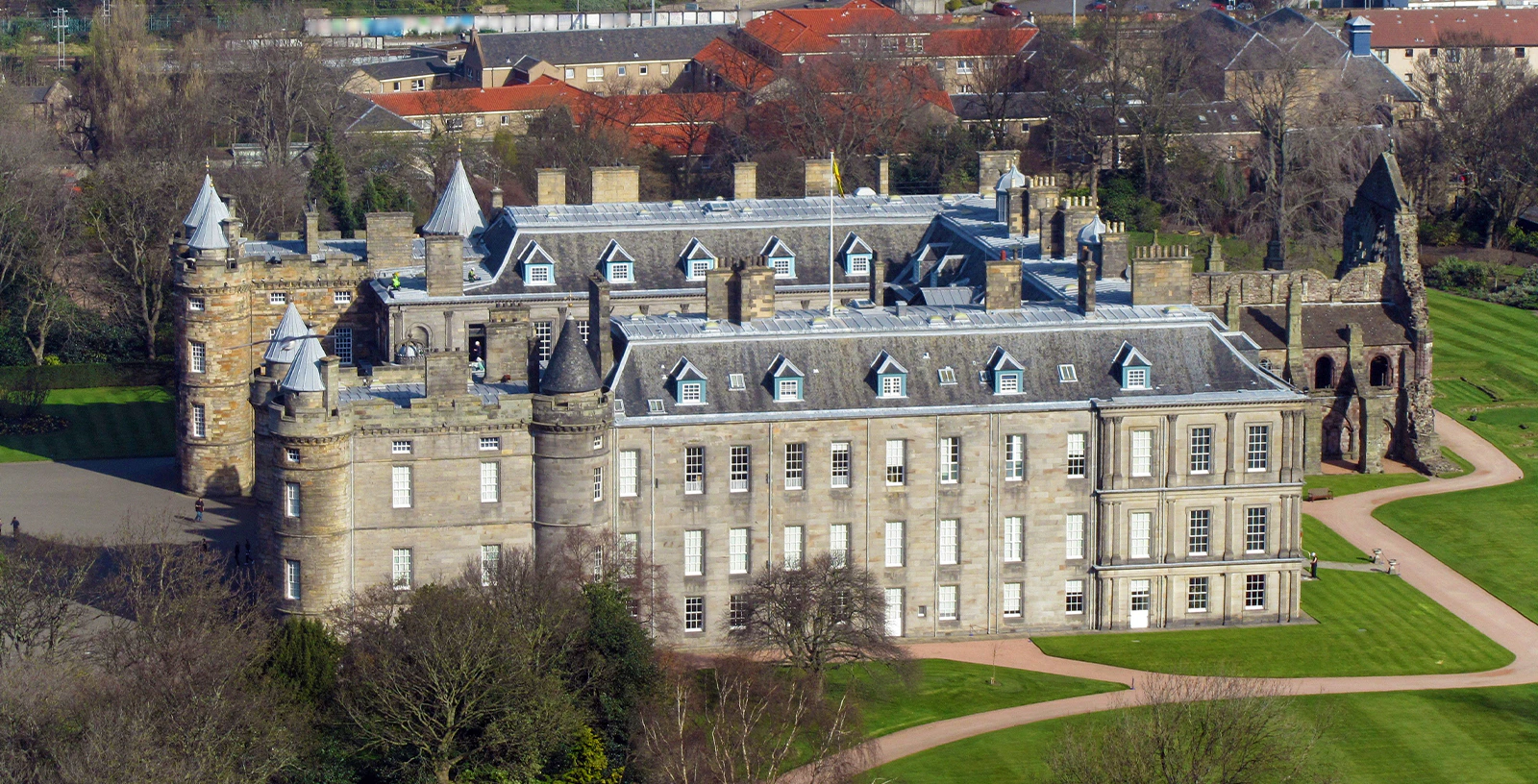
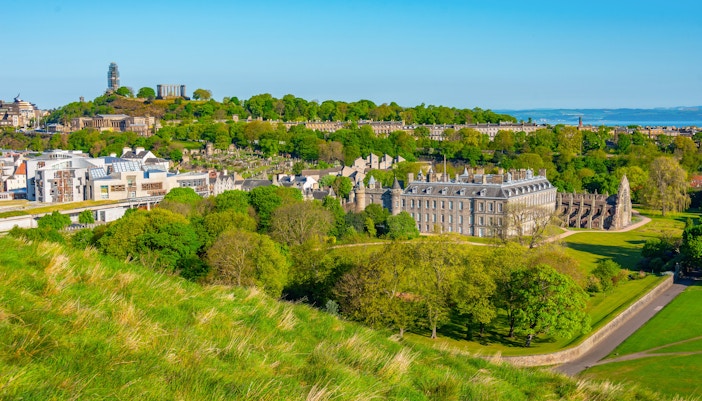
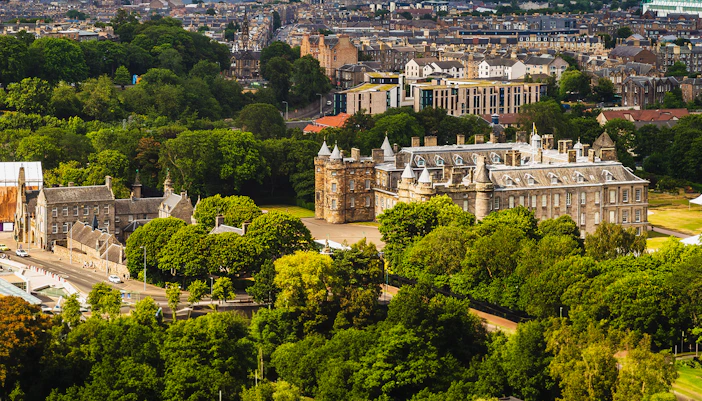
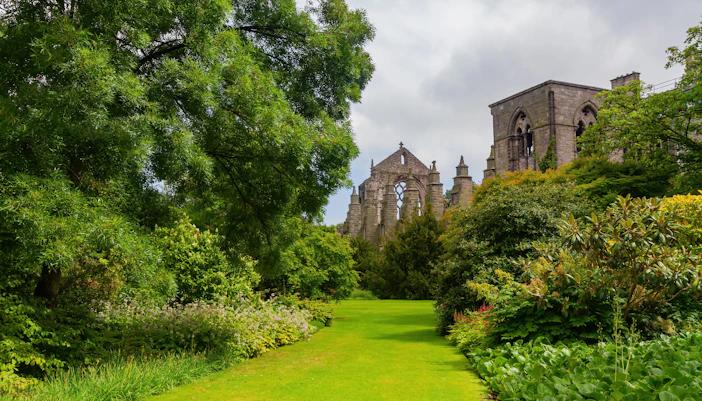
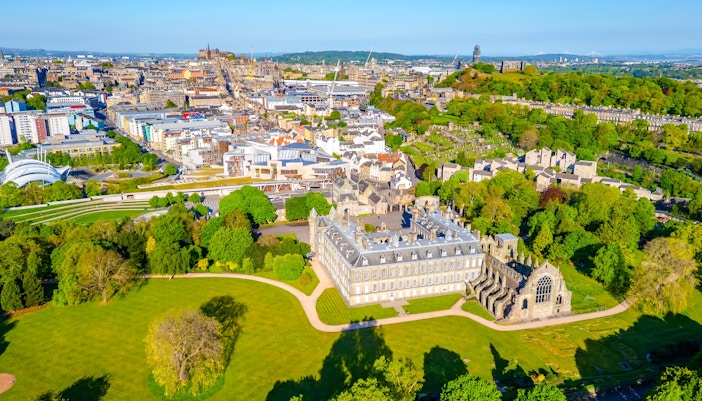
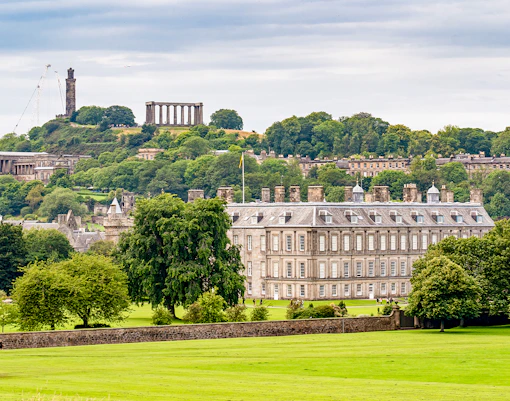
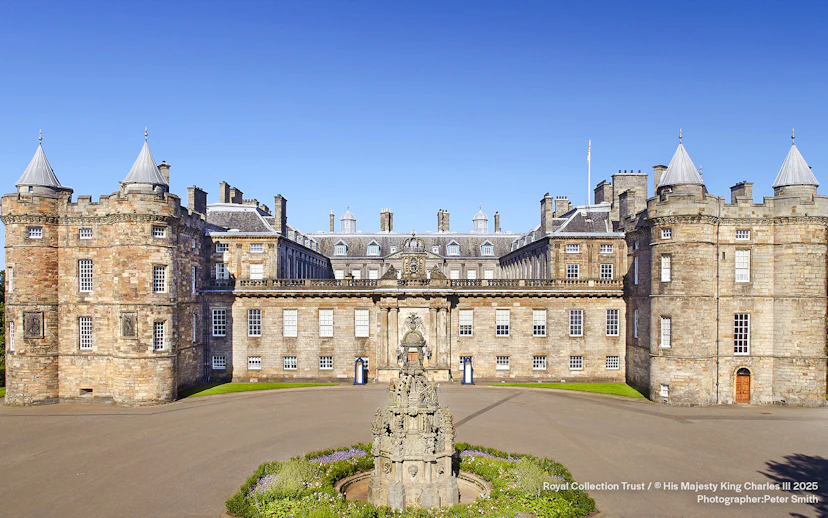
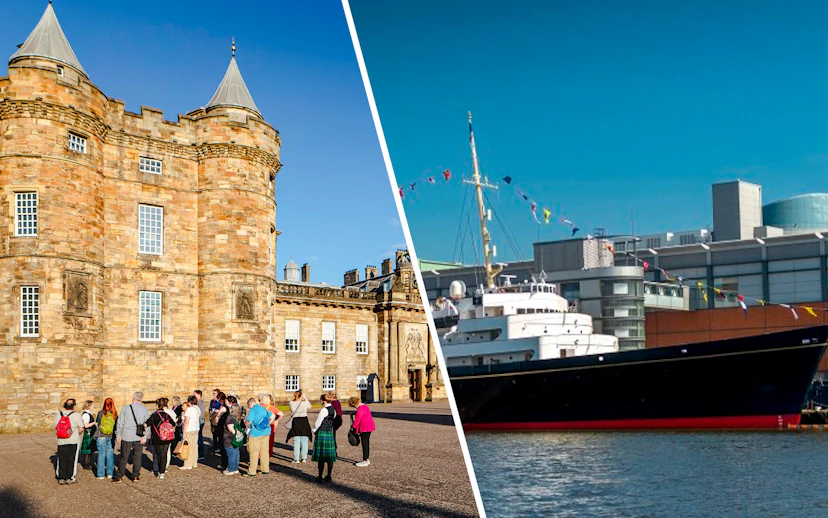
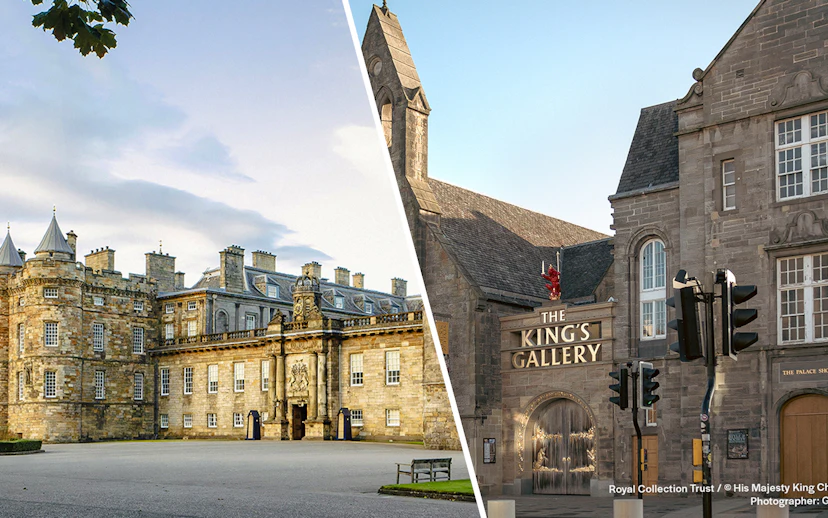
Just beyond the grand walls of the Palace of Holyroodhouse, Holyrood Gardens unfold beneath the rugged silhouette of Arthur's Seat. Neatly trimmed lawns, flowering borders, and quiet gravel paths soften the dramatic volcanic landscape, creating a royal garden that somehow feels both stately and wonderfully untamed in the heart of Edinburgh.

What makes Holyrood Gardens special?

  • Royal landscapes against volcanic cliffs: Holyrood Gardens combine elegant palace grounds with the rugged backdrop of Arthur’s Seat, creating one of Edinburgh’s most dramatic historic landscapes.
  • A living timeline of royal history: From medieval hunting grounds to Victorian redesigns, Holyrood Gardens quietly reflect centuries of changing royal tastes, traditions, and political history.
  • Historic gardens with unexpected stories: These grounds once hosted archery, hawking, tennis matches, exotic animal menageries, and even sanctuary for thousands escaping debt imprisonment.
  • A surprisingly peaceful location: Despite sitting beside Edinburgh’s busiest tourist district, Holyrood Gardens often feel calm, spacious, and noticeably quieter than the Royal Mile nearby.
  • Seasonal planting throughout the year: Spring bulbs, flowering meadows, autumn foliage, and ceremonial displays ensure Holyrood Gardens change character beautifully across every season.
  • Connections to Scotland’s botanical history: The gardens helped shape Scotland’s first physic garden, eventually leading to the creation of Edinburgh’s world-famous Royal Botanic Garden.

The evolution of Holyrood Gardens through the centuries

Medieval royal gardens
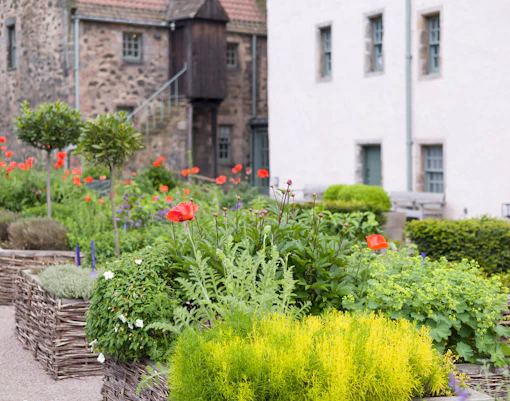
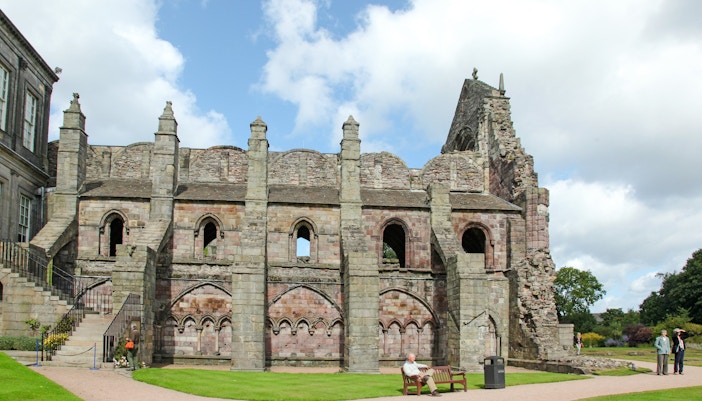
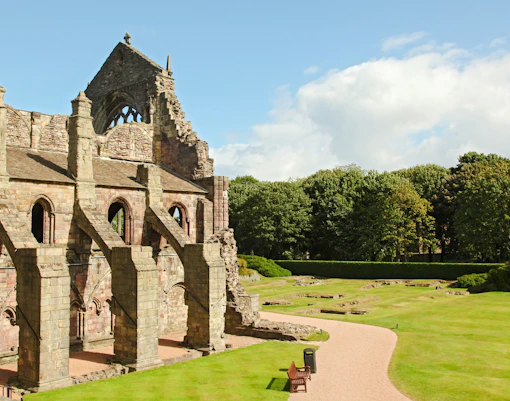
The earliest Holyrood Gardens were cared for by the monks of Holyrood Abbey and used for tournaments, hunting, hawking, archery, and royal recreation. During the reign of Mary, Queen of Scots, the grounds included enclosed gardens, a Privy Garden, tennis courts, bowling areas, and spaces for hunting wild boars imported from France.

Scotland’s first physic garden

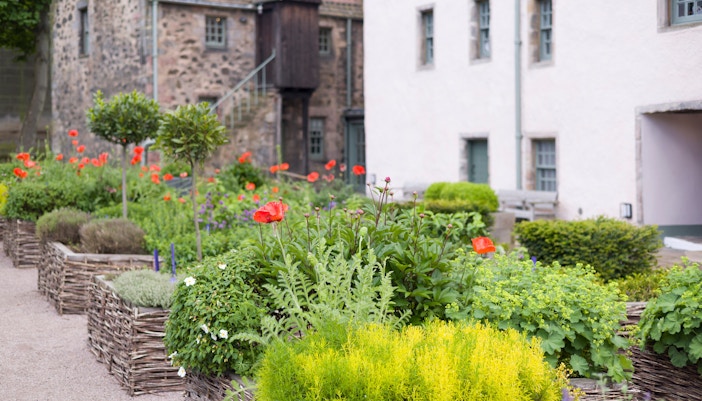
In 1670, a small physic garden was established within Holyrood Gardens by Sir Robert Sibbald and Dr Andrew Balfour to teach medicinal botany. The garden later evolved into the origins of Royal Botanic Garden Edinburgh, with gardener James Sutherland becoming its first Regius Keeper.

A sanctuary for debtors

From the 1500s onward, Holyrood Abbey offered sanctuary protections to people unable to repay debts. Known as ‘Abbey lairds’, thousands lived within the boundaries surrounding Holyrood Gardens, including aristocrats escaping imprisonment from creditors elsewhere in Scotland.

Victorian transformation of the grounds
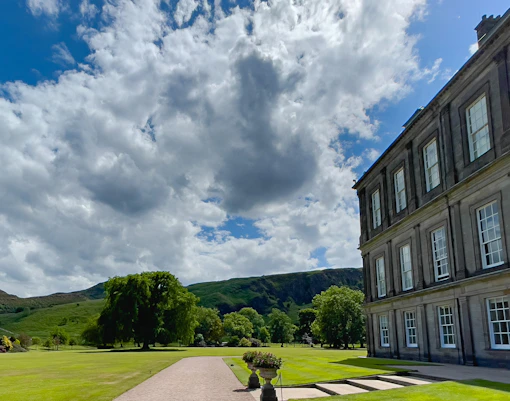
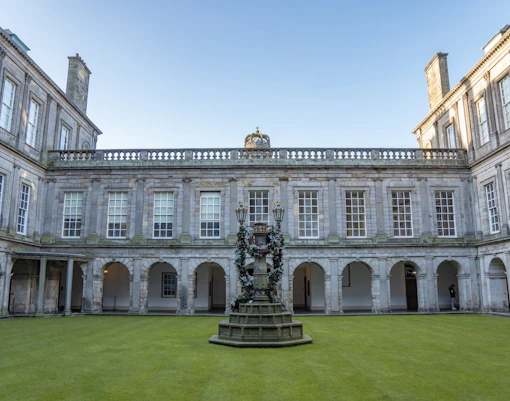
When Queen Victoria and Prince Albert stayed at the palace, the gardens were heavily redesigned. New carriage approaches, fresh planting areas, and landscaped lawns reshaped the neglected surroundings into more formal royal grounds used for ceremonial gatherings.

The modern gardens today

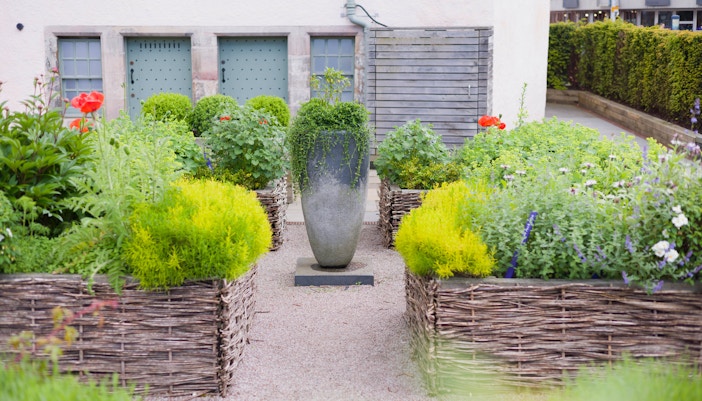
A major restoration completed in 2020 introduced new public areas representing different phases of the palace’s 900-year history. Today, Holyrood Gardens include a recreated physic garden, flowering meadow, educational planting spaces, and greenhouses supplying flowers for royal occasions throughout the year.

Know before you go

Holyrood Gardens generally follow the opening hours of the Palace of Holyroodhouse.

  • Summer opening hours: Between 1 April and 31 October, Holyrood gardens welcomes visitors daily from 9:30am to 6pm, with the final entry slot available at 4:30pm.
  • Winter opening hours: From 1 November to 31 March, the gardens remains open between 9:30am and 4:30pm, while last admission takes place at 3:15pm each day.
  • Weekly opening schedule: From 21 May to 14 September 2026, the palace complex stays open daily. During the remaining months, Tuesdays and Wednesdays are generally reserved for guided tours only.
  • Planned closure dates: The Palace of Holyroodhouse and the wider palace grounds will close from 12–20 May 2026 and 26 June–3 July 2026, with early closures scheduled on 8 and 10 June 2026.
  • Spring for blooming displays: Spring transforms Holyrood Gardens with flowering bulbs, fresh greenery, and brighter colors spread across the palace grounds after Edinburgh’s colder winter months.
  • Early mornings for quieter walks: Mornings usually feel calmer around the gardens, especially before larger palace tour groups begin moving through the palace complex and surrounding grounds.
  • Summer for extended exploration: Long daylight hours make summer ideal for combining Holyrood Gardens with nearby walks through Holyrood Park and Edinburgh’s historic Royal Mile.
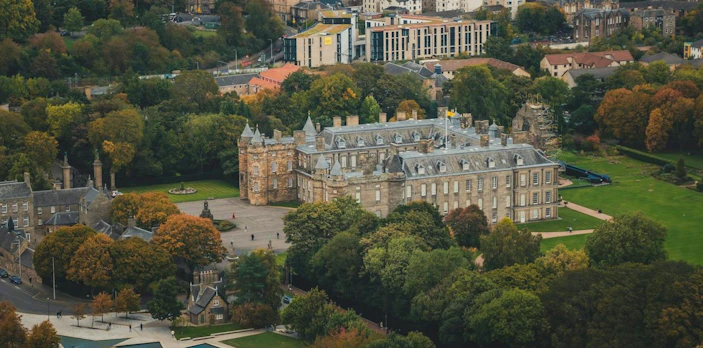
  • Autumn for dramatic scenery: Autumn creates particularly beautiful contrasts between golden foliage, palace stonework, and the rugged landscapes surrounding Arthur’s Seat and Holyrood Park.
  • Accessible main pathways: Most primary routes through Holyrood Gardens are wheelchair accessible, though certain gravel paths and historic stone sections may feel slightly uneven.
  • Resting spots throughout the gardens: Benches placed along quieter walkways and landscaped corners offer comfortable places to pause while exploring the extensive palace grounds.
  • Accessible visitor facilities: Accessible restrooms and visitor facilities are available within the wider Palace of Holyroodhouse complex near the main entrance areas.
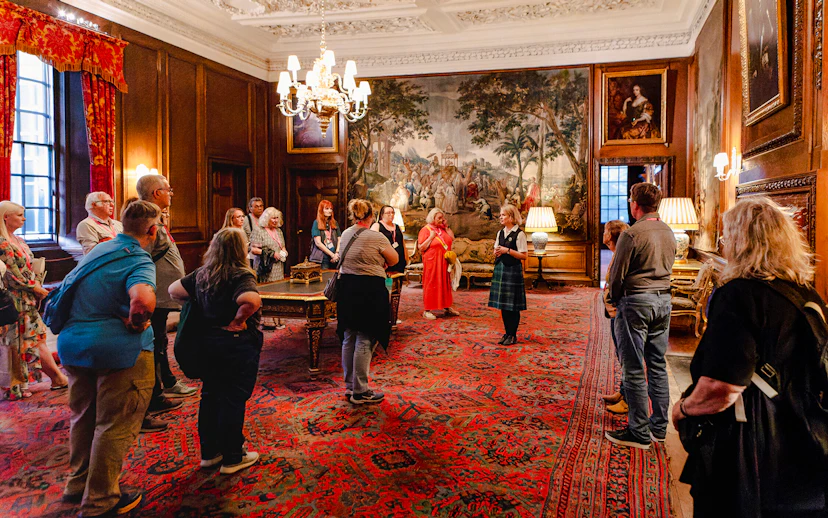
  • Smooth access from palace areas: Holyrood Gardens connect easily with the palace visitor route, making outdoor exploration convenient alongside indoor palace tours and exhibitions.

Visitor tips for exploring Holyrood Gardens

  • Start outdoors first: Walk through the gardens before entering the palace interiors, since the outdoor setting better reveals the palace’s scale and dramatic surroundings.
  • Look beyond façades: Spend extra time near the meadow and physic garden areas, where quieter corners reveal more layered stories than the main palace frontage.
  • Pause between viewpoints: Changing light and fast-moving clouds constantly reshape the atmosphere across Holyrood Gardens, making brief pauses surprisingly rewarding for photography and views.
  • Read the plant labels: Many plants within the physic garden connect directly to Scotland’s early medicinal traditions, botanical education, and centuries-old healing practices.
  • Combine with Holyrood Park: Pair the gardens with a short walk into Holyrood Park for elevated perspectives across the palace and surrounding royal landscape.
  • Follow quieter pathways: The older stone-lined walkways often feel far more atmospheric during quieter hours than the busier lawns surrounding the main palace entrance.

Frequently asked questions about Holyrood Gardens

Yes, access to Holyrood Gardens is generally included with tickets to the Palace of Holyroodhouse.