
Most visitors spend around 2 to 3 hours inside the Palace of Holyroodhouse, including Holyrood Abbey and the audio-guided route through the royal apartments. Visitors interested in royal history, photography, or current exhibitions at The King’s Gallery often stay noticeably longer.
Quick Information
RECOMMENDED DURATION
3 hours
Timings
09:30–18:00
VISITORS PER YEAR
500000
TICKETS
From $14.56
EXPECTED WAIT TIME - STANDARD
30-60 mins (Peak), 0-30 mins (Off Peak)
UNESCO YEAR
1995
Did you know?
Holyroodhouse began beside an abbey founded in 1128 after King David I claimed he survived a hunting accident involving a mysterious stag.
Mary, Queen of Scots watched her secretary David Rizzio murdered inside the palace, and visitors can still see the chamber linked to the attack.
The palace’s Great Gallery displays nearly 100 portraits of Scottish monarchs, creating one of the largest and most dramatic royal portrait collections in Britain.
Is the Palace of Holyroodhouse worth visiting?
The Palace of Holyroodhouse feels quieter and more personal than most royal palaces. At the end of Edinburgh’s Royal Mile, the atmosphere shifts from busy city streets to polished state apartments, candlelit chambers, thick stone staircases, and the haunting ruins of Holyrood Abbey beside the palace grounds. It feels lived in rather than staged.
The Palace of Holyroodhouse was built as both a royal residence and a statement of Scottish monarchy. Over centuries, it became the setting for political drama, royal ceremonies, murders, rebellions, and private lives that shaped Scotland’s history. Mary, Queen of Scots’ apartments still carry an uneasy intimacy that many visitors remember long after leaving.
The emotional payoff comes from how human the palace feels. Unlike fortress-style castles, the Palace of Holyroodhouse gives visitors access to rooms where monarchs actually lived, argued, mourned, and ruled.
Skip it if you have very limited time in Edinburgh and prefer fast-paced attractions or large interactive museums over historic interiors and royal history.
How to explore the Palace of Holyroodhouse
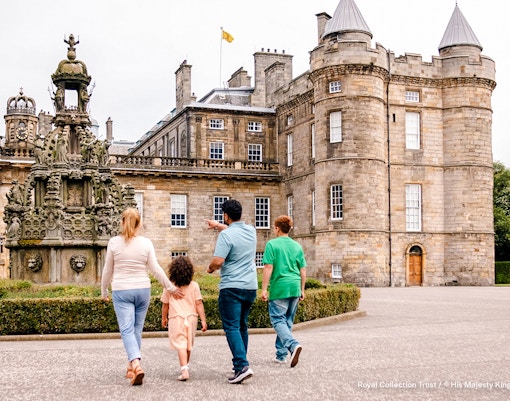
How much time do you need?
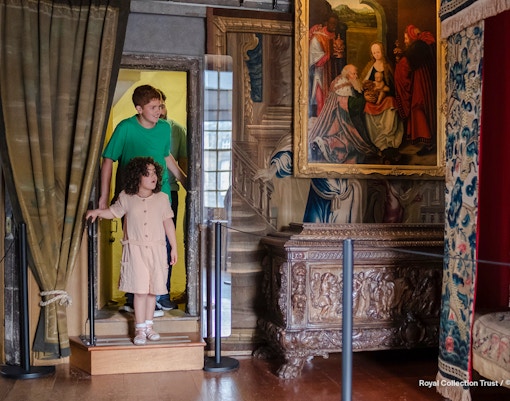
Suggested route through the palace
Start with the State Apartments before larger tour groups fill the ceremonial rooms. Continue through the Great Gallery into Mary, Queen of Scots’ apartments while the atmosphere still feels quieter. End at Holyrood Abbey, where the contrast between ruined medieval stonework and royal interiors feels especially striking.
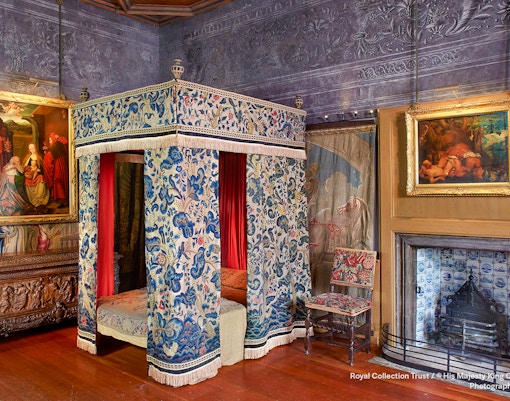
What should not be missed?
Mary, Queen of Scots’ apartments remain the emotional centre of the Palace of Holyroodhouse for most visitors. The Great Gallery adds scale and grandeur, while Holyrood Abbey introduces a completely different atmosphere. If open during your visit, The King’s Gallery exhibition is also worth prioritising.
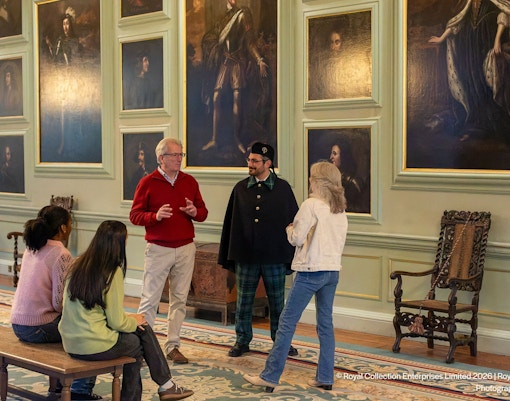
Guided or self-paced?
The included audio guide adds significant context to the Palace of Holyroodhouse because many rooms appear restrained at first glance. Stories about royal ceremonies, political conflicts, and daily palace life make the interiors feel far more personal and historically layered than a self-paced walkthrough alone.
Brief history of the Palace of Holyroodhouse
- 1128: King David I established Holyrood Abbey as an Augustinian monastery, creating the religious complex that later evolved into Scotland’s royal palace residence.
- Late 15th century: James IV added royal lodgings beside the abbey, gradually transforming Holyrood from a religious site into an active Scottish royal residence.
- 1561 to 1567: Mary, Queen of Scots lived at Holyroodhouse, where the murder of her secretary David Rizzio shocked Scotland’s royal court and politics.
- 1670s: Architect Sir William Bruce rebuilt much of Holyroodhouse for Charles II, introducing the symmetrical Baroque appearance still recognised across the palace today.
- 1745: During the Jacobite Rising, Bonnie Prince Charlie briefly established court at Holyroodhouse, symbolically reviving the Stuart monarchy within the historic royal residence.
- 19th to 21st centuries: Extensive restorations preserved Holyroodhouse as the British monarch’s official Scottish residence while opening its historic apartments and abbey ruins to public visitors.
Architecture of the Palace of Holyroodhouse
- Renaissance and Baroque design: The Palace of Holyroodhouse combines Renaissance symmetry with restrained Baroque detailing, creating formal royal architecture that feels elegant rather than overwhelmingly grand.
- Sir William Bruce’s redesign: Much of today’s palace dates to Sir William Bruce’s 1670s redesign for Charles II, introducing Scotland to more classical architectural planning principles.
- The palace façade: The long grey stone façade, twin towers, and central courtyard create a strong sense of royal order at Edinburgh’s Royal Mile endpoint.
- Ceremonial interiors: Inside, decorative plaster ceilings, carved fireplaces, portrait-lined galleries, and ceremonial staircases reflect monarchy, diplomacy, and royal residence rather than military defence.
- Holyrood Abbey contrast: Beside the palace, the ruined Gothic arches and weathered medieval stonework of Holyrood Abbey create a striking architectural contrast with formal royal interiors.
- The atmosphere inside: Unlike fortress-style castles, the Palace of Holyroodhouse feels surprisingly personal, making visitors feel closer to everyday royal life and court history.
Who built the Palace of Holyroodhouse?
The modern Palace of Holyroodhouse was largely shaped by Scottish architect Sir William Bruce during the reign of Charles II in the 1670s. Bruce helped introduce classical architectural principles into Scotland, favouring symmetry, proportion, and restrained grandeur over defensive medieval castle design.
Frequently asked questions about the Palace of Holyroodhouse
Yes, especially if royal history interests you beyond crowns and ceremonies. The Palace of Holyroodhouse feels more intimate than many European palaces, and Mary, Queen of Scots’ chambers alone make the visit memorable for many first-time visitors.
Most visitors spend around 2 to 3 hours at the Palace of Holyroodhouse. The audio guide, abbey ruins, and temporary exhibitions can easily extend the visit if you prefer slower-paced historical attractions.
Mary, Queen of Scots’ apartments, the Great Gallery, and Holyrood Abbey are the standout experiences. The abbey ruins are often the biggest surprise because they feel completely different from the formal palace interiors.
Yes, particularly for older children interested in royalty, castles, or dramatic historical stories. Younger children may engage more with the abbey ruins and palace scale than with the detailed political history explained throughout the rooms.
The Palace of Holyroodhouse closes to visitors during official royal use and state events. Checking opening schedules in advance is important, especially during royal week or major ceremonies in Scotland.
Early mornings usually feel calmer inside the State Apartments before larger guided groups arrive. Weekdays outside peak summer months generally offer the quietest experience inside the Palace of Holyroodhouse.
Photography is generally not permitted inside the State Apartments. However, visitors can usually photograph the exterior courtyard and Holyrood Abbey ruins during their visit.
Advance booking is recommended during summer, holidays, and festival periods in Edinburgh. Timed entry helps avoid long waits and guarantees entry during busier parts of the year.

