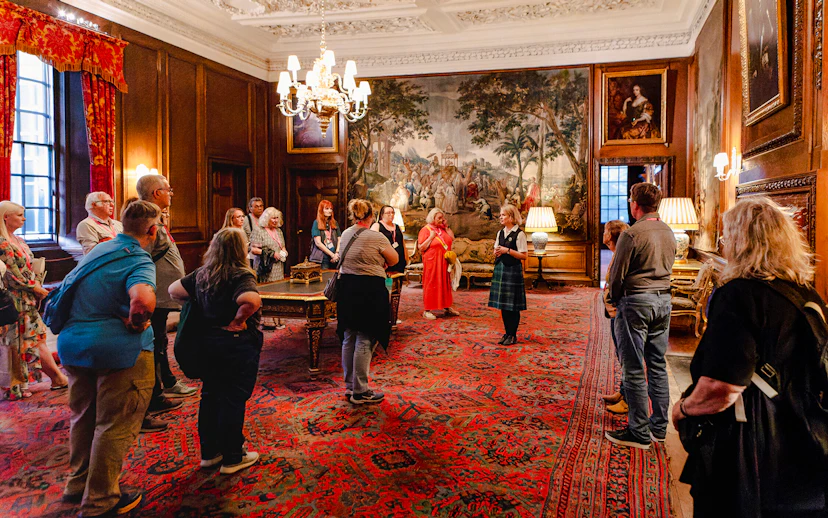
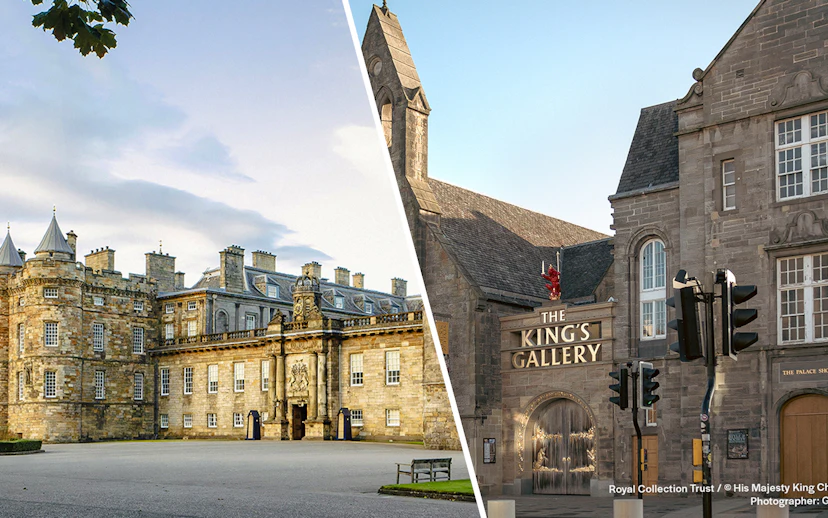
Book the 9:30am slot on a weekday. Entering first prevents bottlenecking on the narrow spiral staircase, allowing quiet reflection in the Bedchamber and Supper Room before coach groups and tour parties crowd the tight spaces.
Palace of Holyroodhouse
4.6(10,958)
Mary, Queen of Scots' Chambers
Included with Palace of Holyroodhouse tickets
Timings
RECOMMENDED DURATION
3 hours
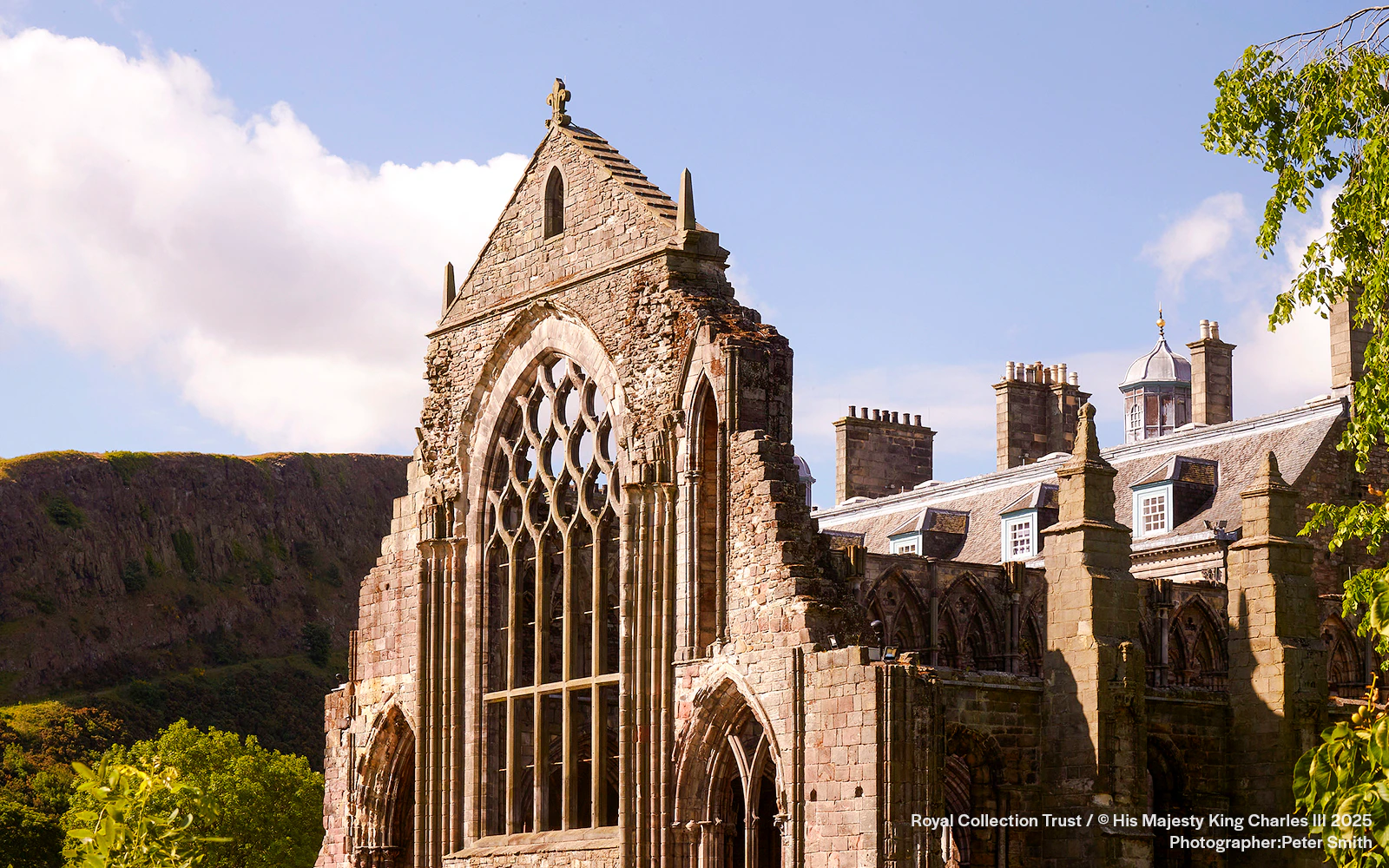
Quick overview
- Access: Included in all Palace of Holyroodhouse tickets
- When you'll see it: Midway on the palace tour (North-West Tower)
- Visit duration: 15–20 mins self-guided/20–30 mins with guide
- Best time: First morning slot (9:30am) on a weekday
- Restrictions: No photography inside. Steep, narrow, winding stairs to access.
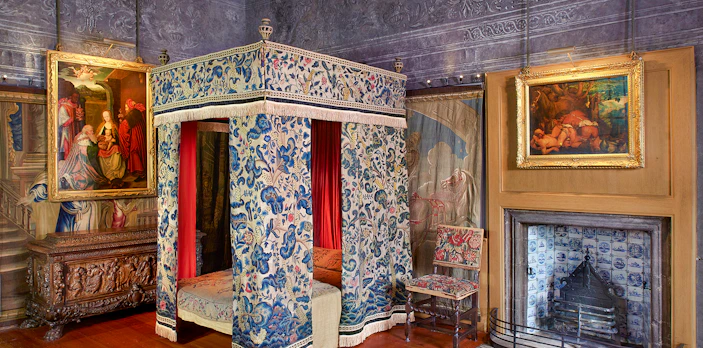
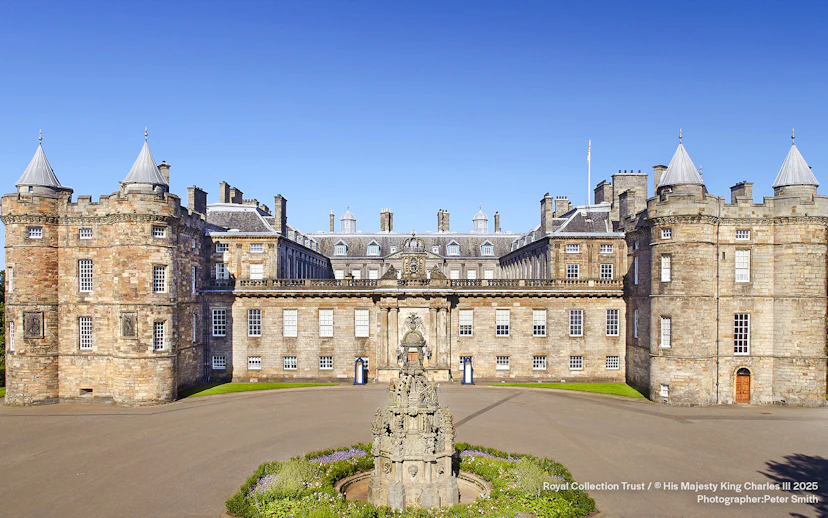
Mary, Queen of Scots' Chambers are included with all Palace of Holyroodhouse tickets, as no separate ticket exists. They are located on the upper floor of the North-West Tower, midway through the self-guided palace tour. Book an early-morning timed entry ticket online in advance to bypass peak afternoon crowds and easily navigate the narrow, single-file staircase.
How to best experience the Mary, Queen of Scots' Chambers?
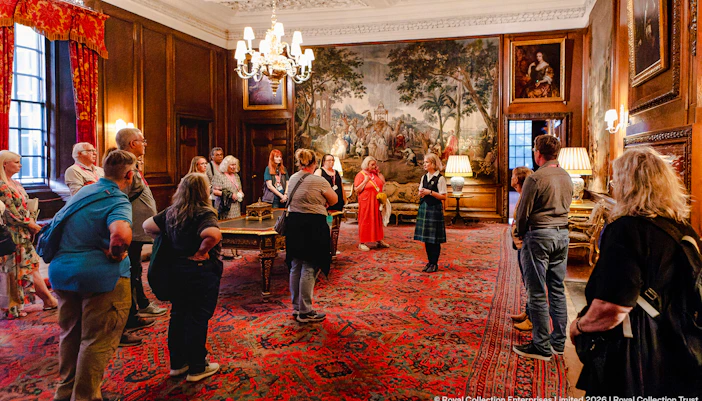
Best time to visit
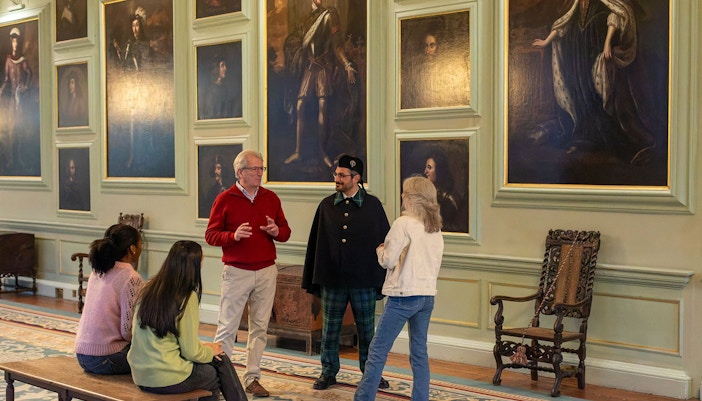
How long to spend
Self-guided visitors need 15–20 minutes to read room displays and spot historical details. Guided tours take 20–30 minutes, offering deeper narrative context on David Rizzio’s murder without rushing through the small, multi-room footprint.
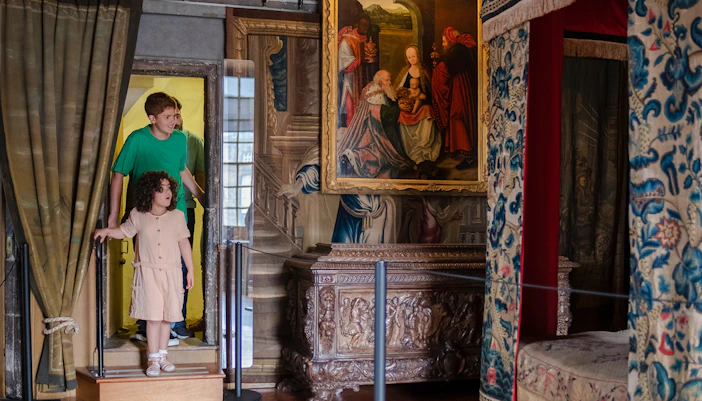
Where it fits in your itinerary
The chambers appear midway through the palace route inside the North-West Tower. Spend 30 minutes in the State Apartments first, keeping enough energy to negotiate the steep spiral stairs without feeling rushed before heading out to Holyrood Abbey.
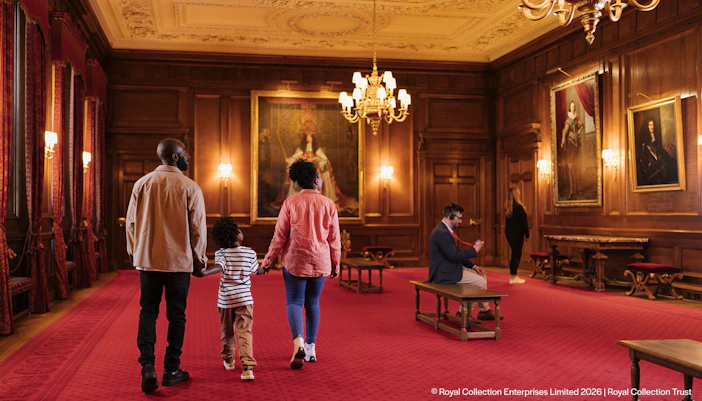
Crowd patterns
Foot traffic peaks between 11am and 2pm, turning the narrow tower chambers into single-file bottlenecks. Off-peak morning slots offer space to examine artifacts closely and avoid long queues waiting to enter the small Supper Room.
What to prioritise if time is short
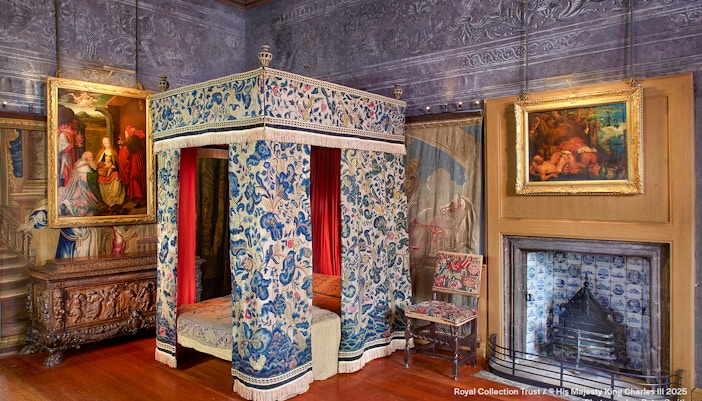
Focus immediately on the red stain marker in the Outer Chamber, the hand-painted oak ceiling in the Bedchamber, and the 'A Catte' embroidery. Skip detailed wall panels and prioritize viewing these three direct physical ties to Mary.
Common mistakes to avoid
Most visitors rush past the Outer Chamber straight to the bed and miss the small Supper Room doorway entirely. Look left before exiting to find the exact closet where Rizzio was seized, and keep cameras stowed to avoid security stops.
Best tickets to experience Mary, Queen of Scots' Chambers
| Ticket type | Why choose it |
|---|---|
Skip-the-line | Bypass the busy entry lines outside to head straight inside and explore Mary, Queen of Scots' historic chambers with full energy. |
Guided tour | Gain deep historical context about Mary's turbulent reign, tragic life, and the dramatic events that unfolded within these rooms. |
Early access | Experience the intimate, narrow spaces of Queen Mary's Chambers in a serene atmosphere long before peak visitor crowds arrive. |
Why it's worth seeing
What makes Mary, Queen of Scots' Chambers irreplaceable is that they form the actual, preserved crime scene of David Rizzio’s 1566 murder—the single most dramatic turning point of her turbulent reign. While most visitors expect a grand royal residence, Mary was surprisingly tall at six feet and had to duck through these low-ceilinged doorways, giving this intimate tower space an unexpectedly claustrophobic atmosphere.
The Outer Chamber: Look for the floor plaque
Near the window in this audience room, a brass plaque marks where David Rizzio’s body was abandoned after being stabbed 56 times. Before moving on, look into the small Oratory alcove where Mary performed her daily prayers.
The Bedchamber: Look up at the oak ceiling
The original 16th-century carved oak ceiling overhead bears the monograms of Mary’s parents, James V and Mary of Guise. Notice the low doorway framing the room, built for 16th-century heights that six-foot-tall Mary had to navigate daily.
The Supper Room: Find the tiny turret closet doorway
Tucked off the bedchamber is this tiny, cramped closet where Mary, Rizzio, and her friends were dining when Lord Darnley’s conspirators burst in. Standing inside this narrow room makes the physical chaos and brutality of the assassination instantly tangible.
Inside Mary’s chambers at Holyroodhouse
1/6
Mary’s Bedchamber
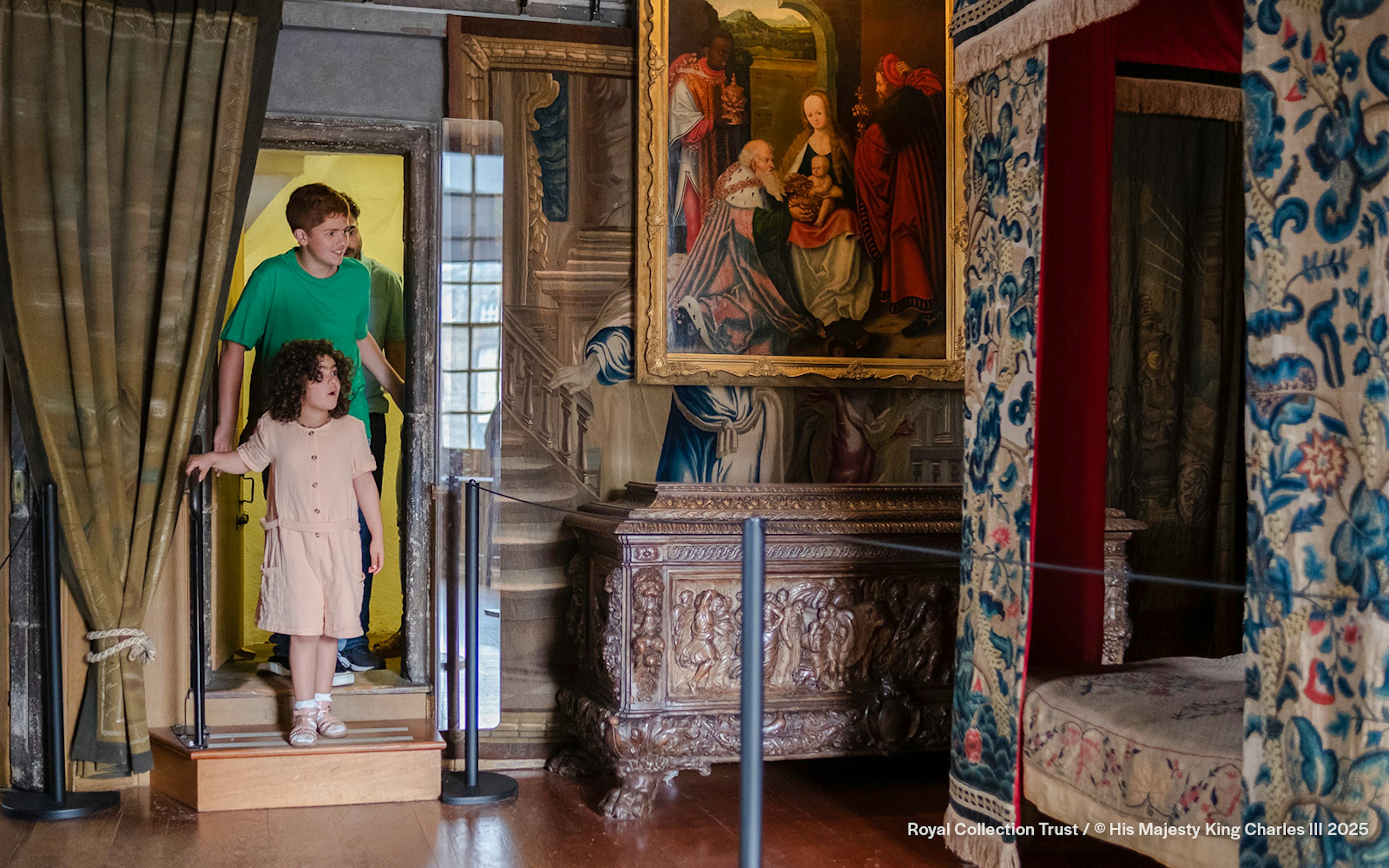
Mary’s Bedchamber feels unexpectedly small and personal compared to the grand ceremonial rooms elsewhere in the palace. Heavy wooden furniture, embroidered wall hangings, and dim natural light give the chamber an intimate atmosphere where Mary, Queen of Scots, once slept, read, planned court matters, and met trusted companions.
Can you still see it at the Palace of Holyroodhouse today? Yes, the Bedchamber remains one of the most visited rooms inside the palace tower.
The Supper Room
The Supper Room is forever tied to the murder of David Rizzio in 1566. The compact space feels tense once you learn its history, especially knowing the pregnant queen witnessed armed nobles drag her secretary away before fatally stabbing him just outside the chamber.
Can you still see it at the Palace of Holyroodhouse today? Yes, visitors can still enter the historic Supper Room during palace tours.
The spiral staircase
Beside Mary’s apartments stands a narrow spiral staircase built inside the thick palace walls. Its steep turns and cramped stone steps make it easy to imagine how frightening the sudden arrival of Rizzio’s attackers must have felt during the violent confrontation.
Can you still see it at the Palace of Holyroodhouse today? Yes, the staircase connected to the Rizzio murder story still survives within the palace tower.
Painted oak ceilings
Several rooms inside Mary’s apartments still feature richly painted oak ceilings decorated with royal emblems, floral details, and Renaissance-inspired patterns. Unlike many historic royal interiors restored later, these ceilings retain a genuine sixteenth-century atmosphere closely linked to Mary’s lifetime.
Can you still see it at the Palace of Holyroodhouse today? Yes, original decorative ceilings from Mary’s era remain preserved inside the historic apartments.
The Outer Chamber
Before entering Mary’s private rooms, nobles, messengers, servants, and visiting courtiers gathered inside the Outer Chamber. The room acted as a controlled waiting space, reflecting the strict etiquette and layers of access surrounding Scotland’s royal court during Mary’s reign.
Can you still see it at the Palace of Holyroodhouse today? Yes, the Outer Chamber forms part of the preserved historic apartments visitors tour today.
Portraits and royal furnishings
Throughout the apartments, antique furnishings, carved wooden details, portraits, and richly textured fabrics help recreate the atmosphere of a lived-in royal residence rather than a distant museum setting. The rooms feel deeply connected to the personal world of Mary, Queen of Scots.
Can you still see it at the Palace of Holyroodhouse today? Yes, many historic furnishings and decorative displays remain part of the palace interiors today.
Historical & cultural significance
Built around 1530 for James V, the North-West Tower housed Mary, Queen of Scots during her brief six-year reign from 1561 to 1567. Following Rizzio’s brutal murder, in which he was stabbed 56 times, the chambers evolved from a private royal sanctuary into an enduring focal point of Stuart legend. Today, the space functions as an iconic museum wing preserved by the Royal Collection Trust.
Notable figures
Mary, Queen of Scots
Monarch of Scotland whose six-year reign was defined by political tumult, religious friction, and royal tragedy inside these chambers.
Lord Darnley
Mary’s second husband who masterminded the murder of David Rizzio inside her Supper Room out of political jealousy.
David Rizzio
Italian courtier and private secretary to Mary whose assassination triggered the ultimate downfall of the Stuart monarchy.
John Knox
Fiery Protestant reformer who engaged in legendary, heated theological confrontations with the Catholic Queen in her Outer Chamber.
The life of Mary, Queen of Scots at a glance
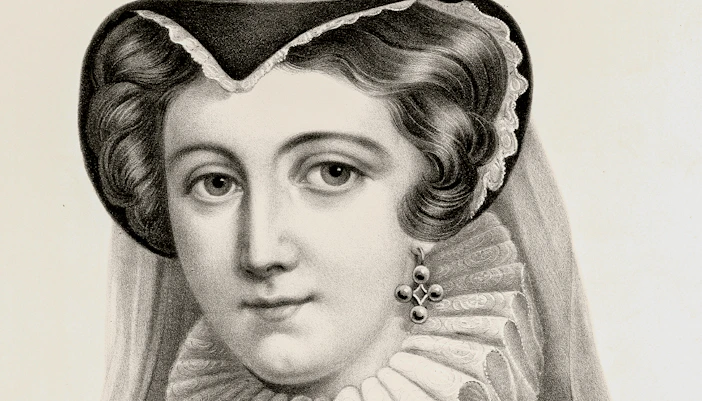
1542: A royal beginning
Mary was born at Linlithgow Palace in December 1542, just six days before the death of her father, King James V. The infant princess immediately became queen, placing Scotland under the rule of a newborn at a time of political uncertainty and pressure from England.
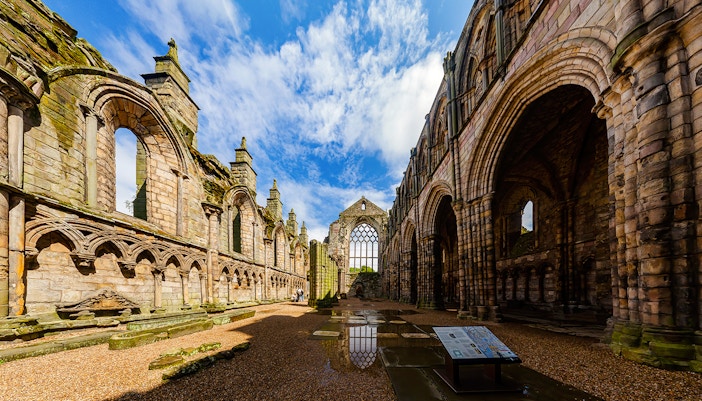
1543: Coronation at Holyrood Abbey
At only nine months old, Mary was crowned in the Chapel Royal at Holyrood Abbey, beside what is now the Palace of Holyroodhouse. Her coronation confirmed her legitimacy as Scotland’s monarch and established Holyrood as a major setting in her future reign.
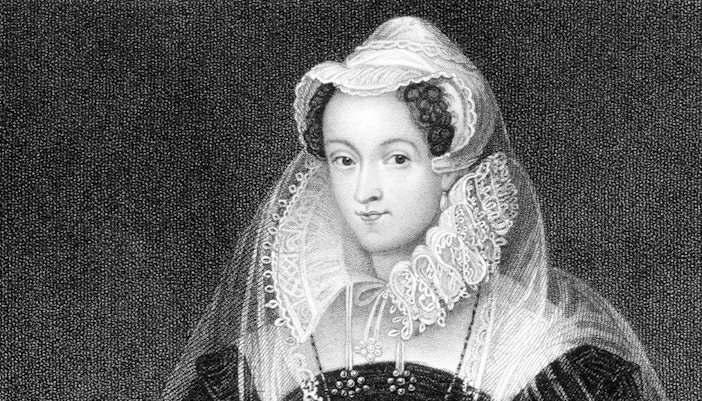
1548 to 1561: Raised in the French court
For safety during conflicts with England, Mary was sent to France as a child. Educated alongside French royalty, she grew into a highly cultured queen fluent in several languages. Her marriage to the Dauphin François strengthened Scotland’s alliance with Catholic France and shaped the worldview she later brought back to Scotland.
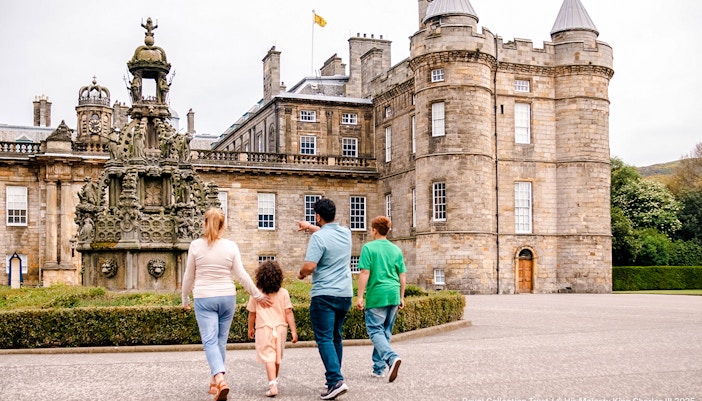
1561: Mary returns to Scotland
Widowed at 18, Mary returned to a Scotland transformed by Protestant reform. She chose the Palace of Holyroodhouse as her principal residence, ruling from the palace while trying to navigate fierce religious divisions, noble rivalries, and growing political opposition.
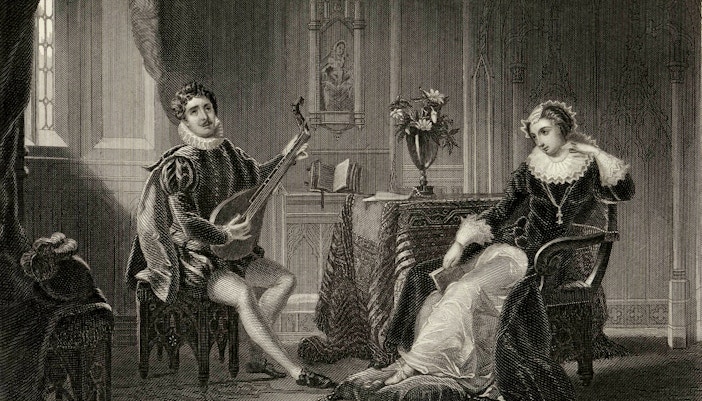
1565: Marriage to Lord Darnley
Mary married Henry Stuart, Lord Darnley, at Holyrood Abbey in a lavish royal ceremony. Though initially celebrated, the marriage quickly deteriorated as Darnley became increasingly jealous, ambitious, and politically unstable.
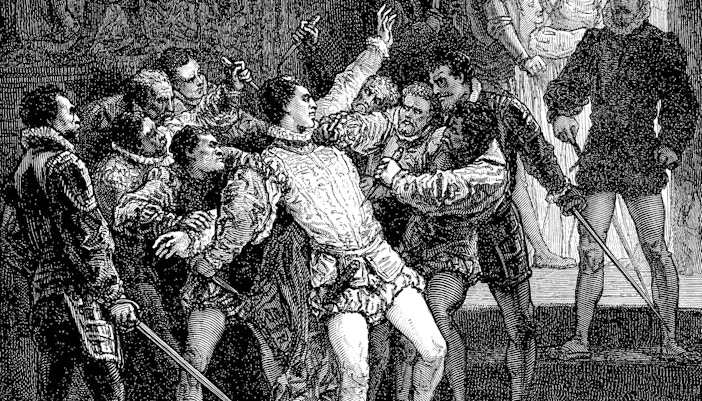
1566: The murder of David Rizzio
One of the most shocking moments in the life of Mary, Queen of Scots unfolded inside her private apartments at Holyroodhouse. Her secretary, David Rizzio, was brutally murdered by nobles led by Darnley while the pregnant queen watched helplessly. The attack permanently damaged Mary’s trust in her husband and intensified the political chaos surrounding her reign.
1567: Darnley’s death and the Bothwell scandal
Darnley was later found dead under mysterious circumstances near Edinburgh. Suspicion quickly fell on James Hepburn, Earl of Bothwell, whom Mary married shortly afterwards. The controversial union outraged Scottish nobles and severely weakened her authority.
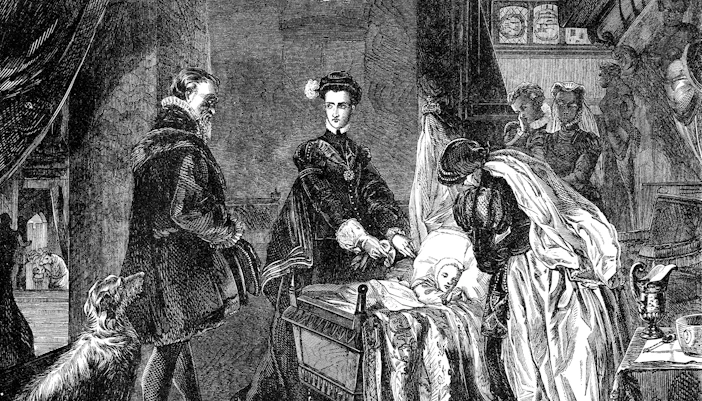
1567: Abdication and imprisonment
Facing rebellion, Mary was forced to abdicate in favour of her infant son, James VI. After escaping imprisonment in Scotland and losing support in battle, she fled to England, hoping for protection from Queen Elizabeth I. Instead, she spent nearly two decades under house arrest.
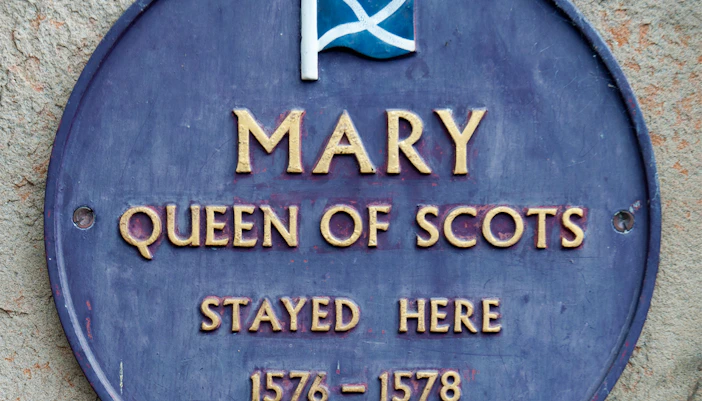
1587: Execution in England
After years of suspicion and political plotting, Mary was executed at Fotheringhay Castle in February 1587. Her death transformed her into a lasting historical figure whose story still captivates visitors centuries later.
Mary’s downfall and escape from Scotland
- A controversial marriage: Mary’s marriage to the Earl of Bothwell shocked Scottish nobles, many of whom believed he was involved in Lord Darnley’s suspicious death.
- Imprisoned at Loch Leven: Facing rebellion and public outrage, Mary was captured and imprisoned at Loch Leven Castle, where she was forced to abdicate in favour of her infant son.
- A daring escape: In 1568, Mary escaped Loch Leven Castle disguised in simpler clothing and quickly gathered supporters in an attempt to reclaim her throne.
- Defeat in Scotland: Mary’s forces were defeated at the Battle of Langside, ending her hopes of regaining power and forcing her to flee southward into England.
- Elizabeth’s royal prisoner: Rather than offering protection, Elizabeth I imprisoned Mary for nearly nineteen years, fearing her Catholic support and legitimate claim to England’s throne.
- Execution and legacy: Mary was executed in 1587, but her royal line ultimately prevailed when her son James VI united the Scottish and English crowns.
Know before you go
- Open daily year-round from 9:30am
- Summer hours (April to October): 9:30am to 6pm; last entry at 4:30pm
- Winter hours (November to March): 9:30am to 4:30pm; last entry at 3:15pm
- Closed on 25–26 December and during official royal visits or ceremonies
- Located at the foot of the Royal Mile (Canongate), Edinburgh
- Entry point: Main visitor entrance for the Palace of Holyroodhouse
- Nearest train station: Edinburgh Waverley (approx. 15-minute walk)
- Bus access: Lothian Buses 35 and 6 stop nearby on Canongate or Horse Wynd
- Wheelchair access: No lift available; accessible strictly via a steep, winding stone staircase of 25 steps
- Alternative access: Virtual tour option available on interactive tablets at ground level for mobility-impaired visitors
- Braille materials and descriptive audio guides available at the main palace entrance desk
- Companion/carer tickets admitted free of charge with standard disabled admission
- Photography prohibited inside Mary, Queen of Scots' Chambers and all state apartments
- Airport-style security screening conducted at the main palace entrance
- Large luggage, backpacks, and oversized bags not permitted; small bag checks strictly enforced
- Food and drink prohibited inside all interior palace rooms and exhibition towers
Mary, Queen of Scots in popular culture
The dramatic life of Mary, Queen of Scots has inspired generations of filmmakers, writers, and historians. Some of the best-known portrayals include:
Saoirse Ronan in Mary, Queen of Scots (2018)
Mary, Queen of Scots brought Mary’s rivalry with Elizabeth I to modern audiences through Saoirse Ronan’s emotionally layered portrayal. The film focused heavily on political conflict, court manipulation, and Mary’s struggle to maintain power in Scotland.
Vanessa Redgrave’s iconic portrayal
Long before the 2018 adaptation, Vanessa Redgrave played Mary in Mary, Queen of Scots. The lavish historical film became one of the best-known cinematic retellings of Mary’s life and earned multiple Academy Award nominations.
Mary in television dramas
Reign dramatised Mary, Queen of Scots' teenage years in the French court with a highly fictionalised mix of royal politics, romance, and court intrigue aimed at younger audiences.
Frequently asked questions about Mary, Queen of Scots' Chambers
Yes. Admission to the chambers is included with every standard Palace ticket. No separate ticket exists.
No. Any Palace of Holyroodhouse admission ticket includes access. Booking an online timed ticket in advance helps skip ticket office queues.
No. The chambers are located midway through the main palace tour route inside the North-West Tower and have no independent entrance.
They appear midway through the palace route, right after touring the State Apartments and before heading out to Holyrood Abbey.
Allow 15–20 minutes for a self-guided visit or 20–30 minutes with a guide to explore the rooms and read artefact displays.
Yes. The complimentary multimedia guide provided at the palace entrance includes full audio commentary and historical context for each room in the tower.
Yes. Non-commercial photography and video recording are strictly prohibited inside all historic palace rooms, including Mary, Queen of Scots' Chambers.
No. Access is strictly via 25 steep, narrow spiral stairs. A virtual interactive tour is provided on tablets at ground level for mobility-impaired visitors.