Quick Information

RECOMMENDED DURATION

2 hours

VISITORS PER YEAR

2000000

NUMBER OF ENTRANCES

4

EXPECTED WAIT TIME - STANDARD

30-60 mins (Peak), 0-30 mins (Off Peak)

UNESCO YEAR

1992

Plan your visit

Did you know?

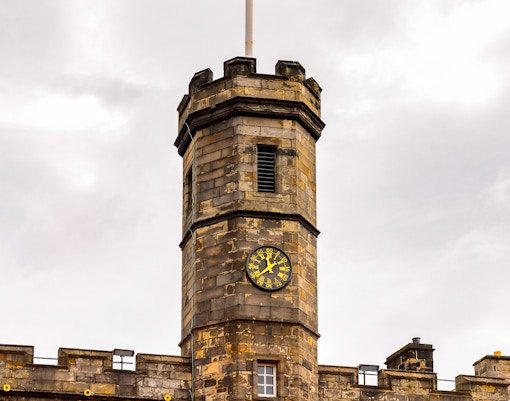
Deep within David's Tower lies a time capsule, placed during its construction in 1892. This hidden container holds newspapers, coins, and other artifacts, offering a fascinating glimpse into the late 19th century when the tower was built.

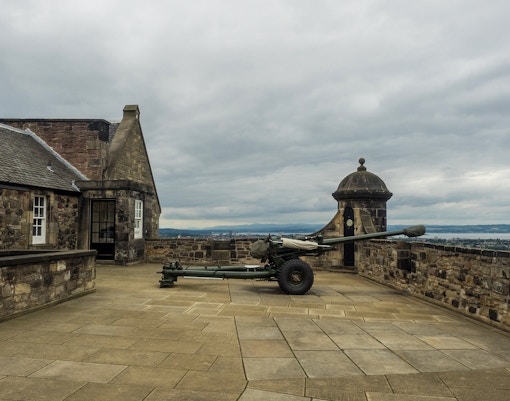
Since 1861, Edinburgh Castle has fired the One O'Clock Gun as a time signal for ships in the Firth of Forth. This daily tradition continues, and visitors can witness the firing, which is synchronized with the famous time ball descent atop the Nelson Monument in Calton Hill.

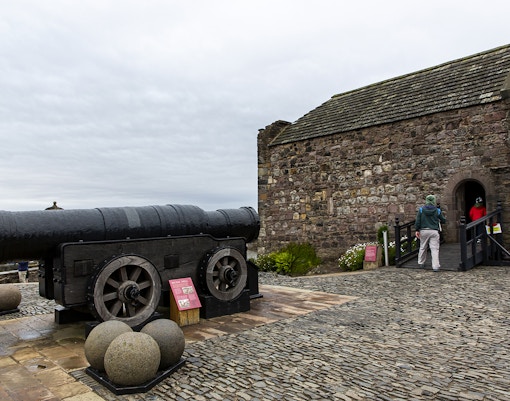
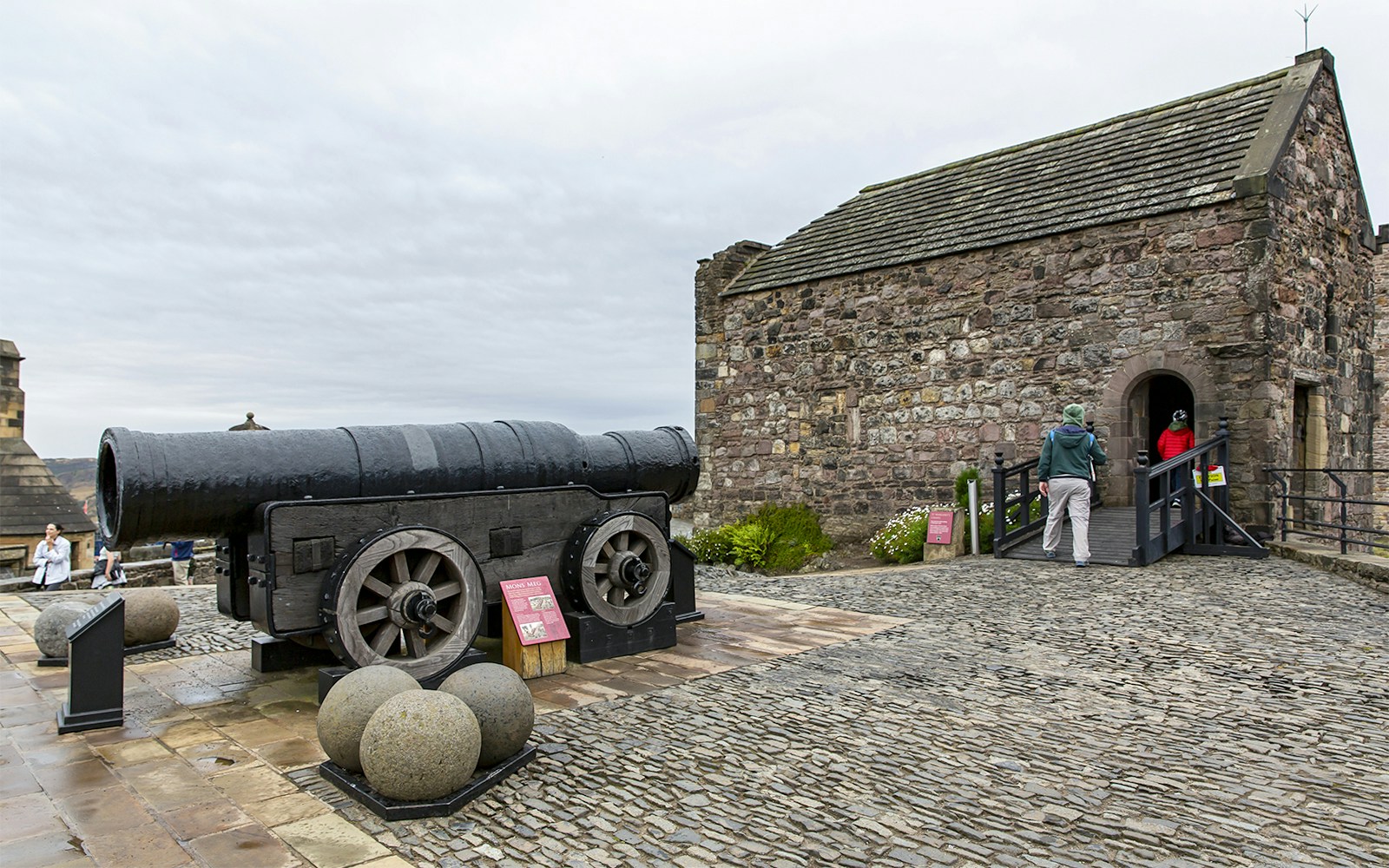
Displayed in Crown Square, Mons Meg is a colossal medieval cannon gifted to King James II in 1457. This massive artillery piece could reportedly launch a 330-pound gunstone over two miles, making it a formidable symbol of military prowess.

Why is Edinburgh Castle a must-visit attraction?

Set high atop Castle Rock, Edinburgh Castle is the most iconic landmark in the city and one of Scotland’s most important historic sites. For centuries, this fortress has played a central role in the country’s story as a royal residence, military stronghold, and symbol of Scottish resilience.

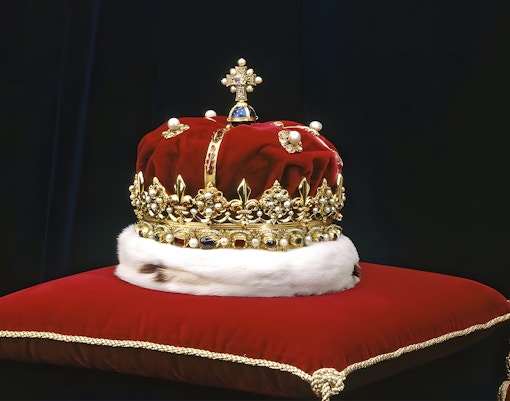
As you explore the castle complex, you’ll encounter centuries of Scottish history through its rooms and architecture, as well as treasures like the Honours of Scotland, the country’s crown jewels, and the Stone of Destiny, used in the coronation of Scottish monarchs for generations.

But the experience doesn’t stop there. Perched high above the city, the castle also offers panoramic views over Edinburgh’s rooftops, the Royal Mile, and the surrounding hills, making its dramatic setting a huge part of its appeal. All of this makes Edinburgh Castle one of the strongest symbols of Scotland’s past and one of the city’s must-visit attractions.

What to see at Edinburgh Castle?

Crown Jewels (Honours of Scotland)
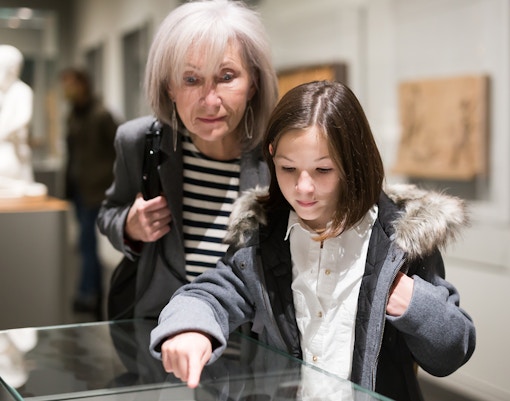
The Honours of Scotland are the oldest crown jewels in the British Isles. This royal regalia has played a central role in Scotland’s monarchy since the 16th century and remains a powerful symbol of the nation’s heritage.

Stone of Destiny

The Stone of Destiny has been used in the coronation of Scottish monarchs for centuries. After spending hundreds of years in England, the stone was returned to Scotland in 1996 and is now displayed alongside the Crown Jewels.

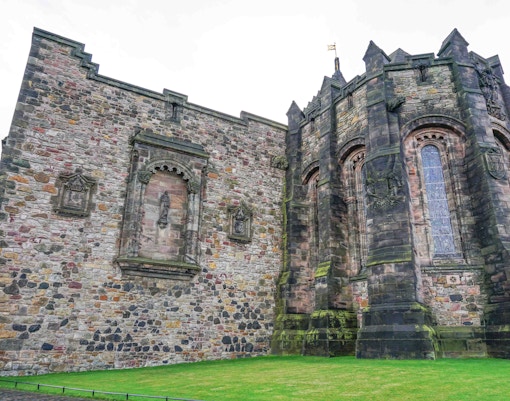
St. Margaret’s Chapel

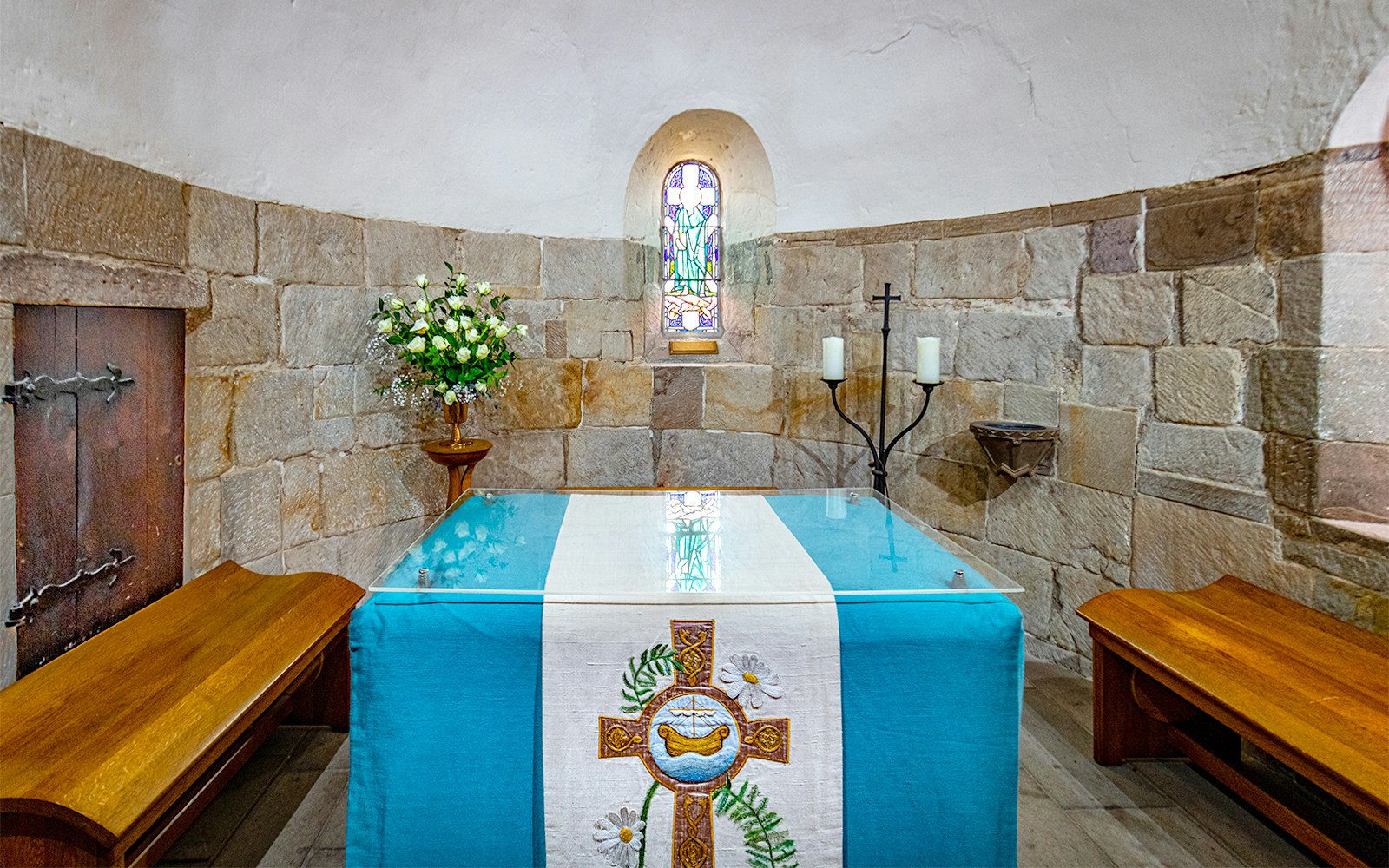
St. Margaret’s Chapel is the oldest surviving building in Edinburgh, dating back to the early 12th century. Built in memory of Queen Margaret, the small chapel offers a quiet, reflective space within the castle grounds.

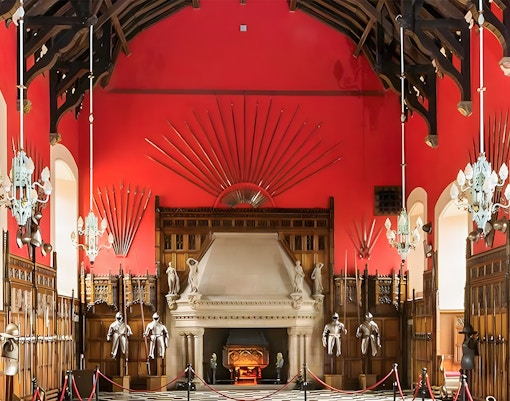
The Great Hall

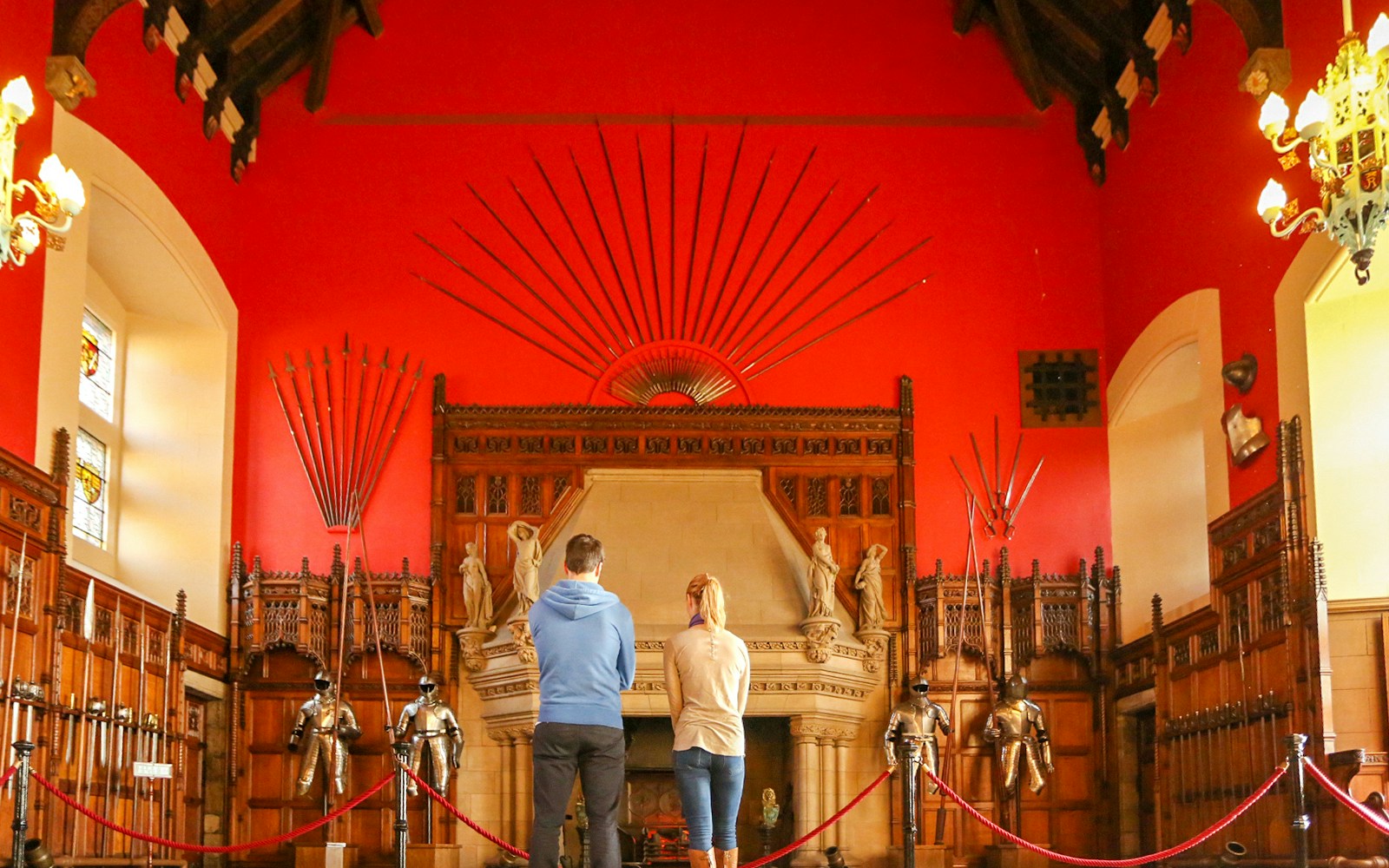
Completed in 1511 for King James IV, the Great Hall once hosted royal ceremonies and gatherings. Today, visitors can admire its impressive architecture and weapon displays that showcase Scotland’s medieval military traditions.

The Royal Palace

The Royal Palace served as the residence of Scottish monarchs within the castle. It is most famous as the birthplace of King James VI in 1566, born to Mary, Queen of Scots, making it an important site connected to Scotland’s royal history.

Mons Meg

Mons Meg is a massive 15th-century siege cannon displayed within the castle grounds. Once capable of firing enormous stone cannonballs over long distances, it remains one of the most famous and well-preserved medieval cannons in Europe.

One O’Clock Gun

The One O’Clock Gun is a long-standing Edinburgh tradition fired from the castle ramparts almost every day. The signal was first introduced in 1861 to help ships in the nearby Firth of Forth set their maritime clocks.

National War Museum

Located within the castle grounds, the National War Museum explores Scotland’s military history across centuries. Through artifacts and personal stories, it highlights the experiences of Scottish soldiers in conflicts around the world.

Highlights of Edinburgh Castle

Visitors observing the Great Hall's medieval armor display inside Edinburgh Castle.

Hammerbeam Roof of the Great Hall

The Great Hall features an impressive 16th-century hammerbeam timber roof, showcasing remarkable medieval craftsmanship and royal ceremonial architecture.

St. Margaret's Chapel altar with stained glass window at Edinburgh Castle.
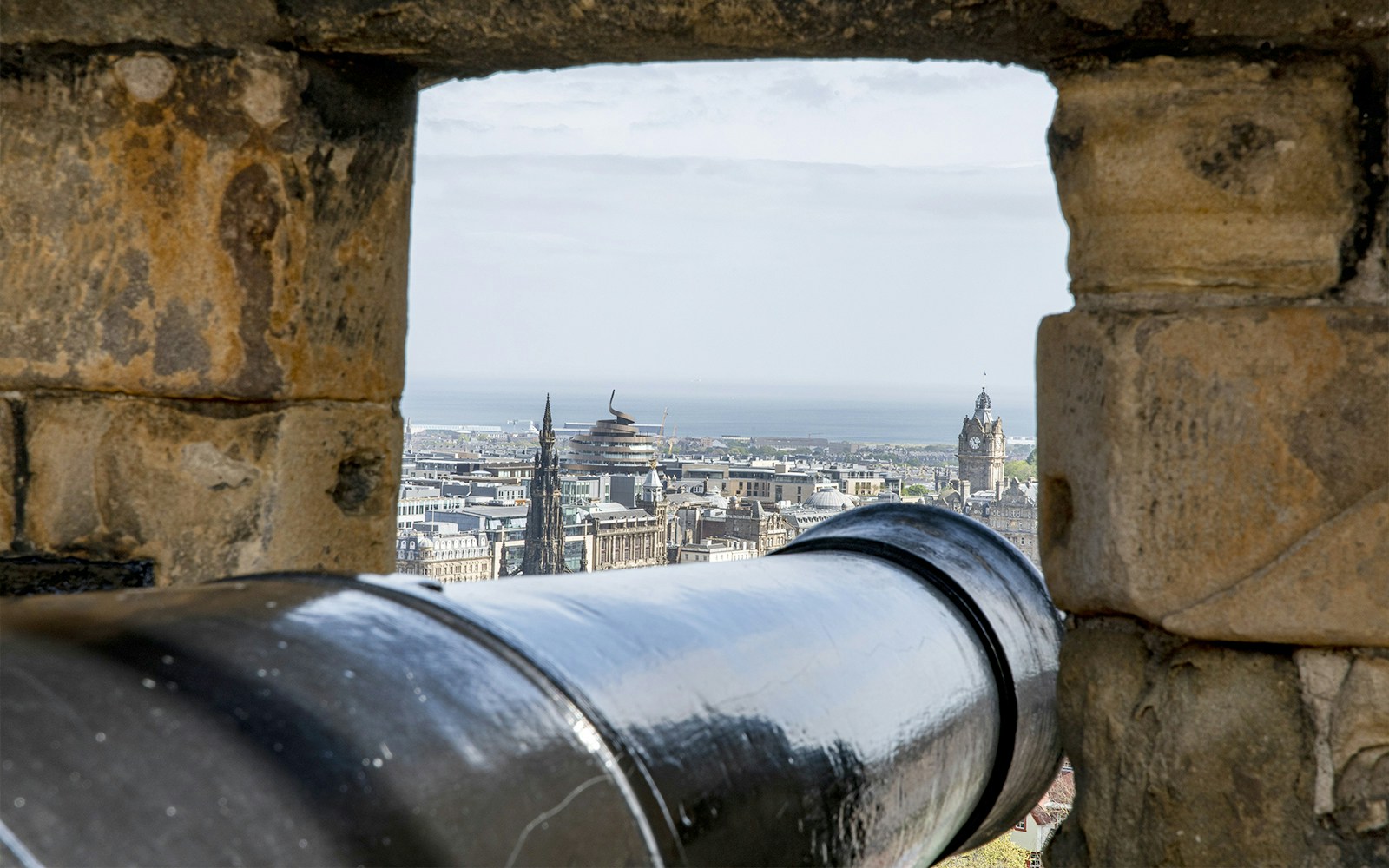
Cannon view from Edinburgh Castle overlooking cityscape and sea.
Cannon at Edinburgh Castle, part of the One o'Clock Gun tradition.
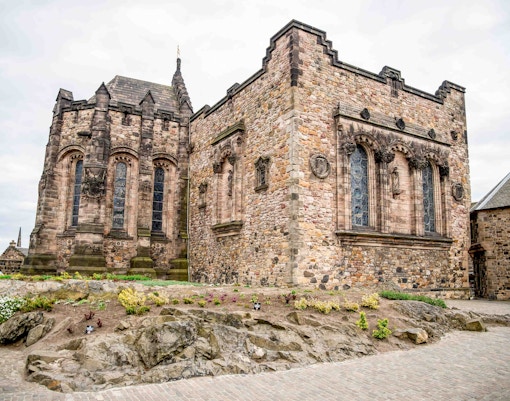
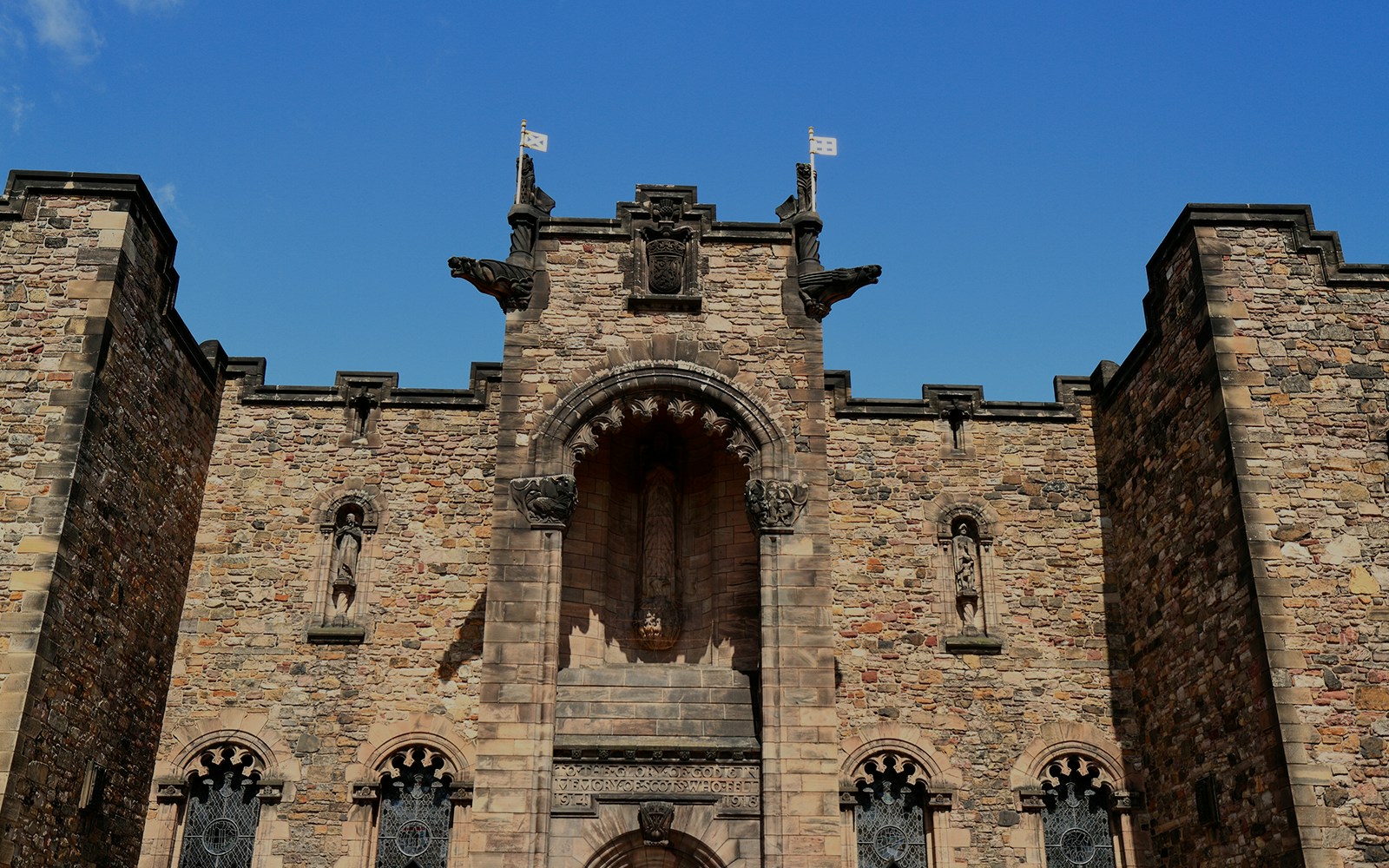
Edinburgh Castle Scottish National War Memorial stone facade with statues.

Brief history of Edinburgh Castle

Edinburgh Castle stands on Castle Rock, an extinct volcanic crag that has been occupied since prehistoric times. Archaeological evidence shows that Iron Age communities built a hillfort here, taking advantage of the rock’s natural defensive position above the surrounding landscape.

By the 11th century, the site had developed into a royal stronghold under King Malcolm III. After Queen Margaret died at the castle in 1093, her son King David I built St Margaret’s Chapel in her honour around 1130. This chapel remains the oldest surviving building in Edinburgh.

During the Middle Ages, Edinburgh Castle played a central role in Scotland’s history and frequently changed hands during the Wars of Scottish Independence. In 1314, Scottish forces led by Thomas Randolph famously recaptured the castle from the English in a daring night raid. Over time, the castle evolved from a royal residence into a fortified military stronghold.

Who built Edinburgh Castle?

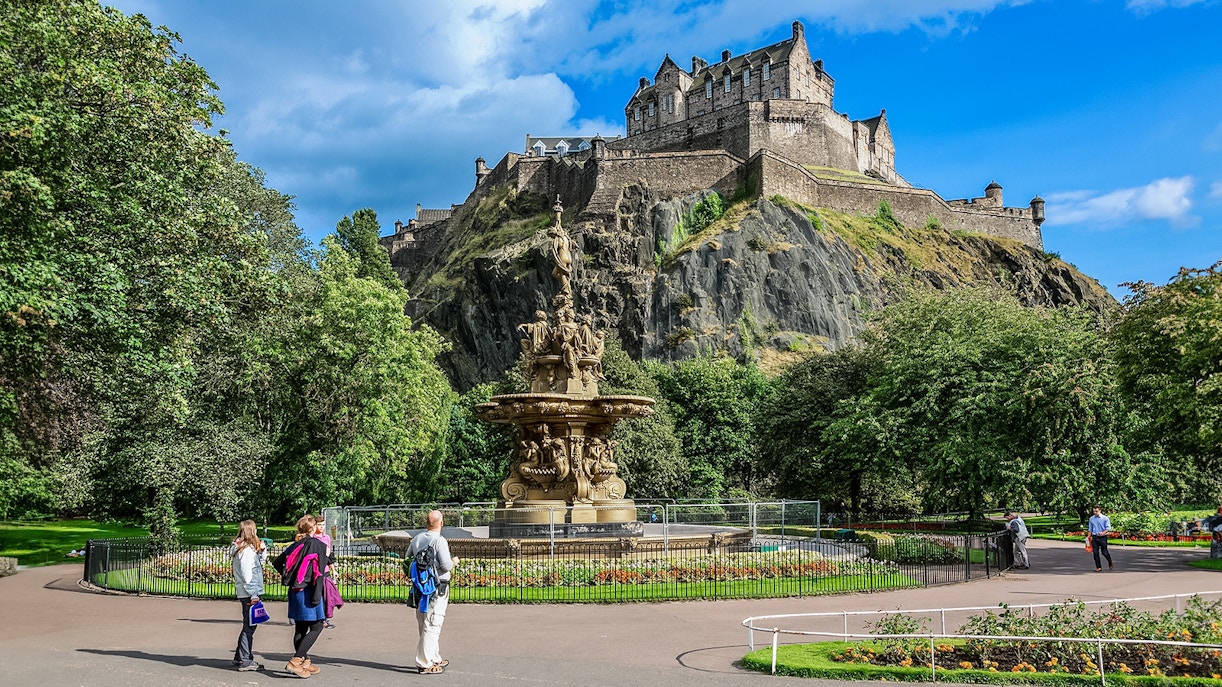
Visitors walking near the Ross Fountain with Edinburgh Castle in the background.

Edinburgh Castle was not built by a single architect but developed gradually over several centuries. Early royal buildings were constructed during the reign of King Malcolm III in the 11th century. After Queen Margaret’s death in 1093, her son King David I built St Margaret’s Chapel around 1130 in her memory, creating the oldest surviving structure within the castle complex.

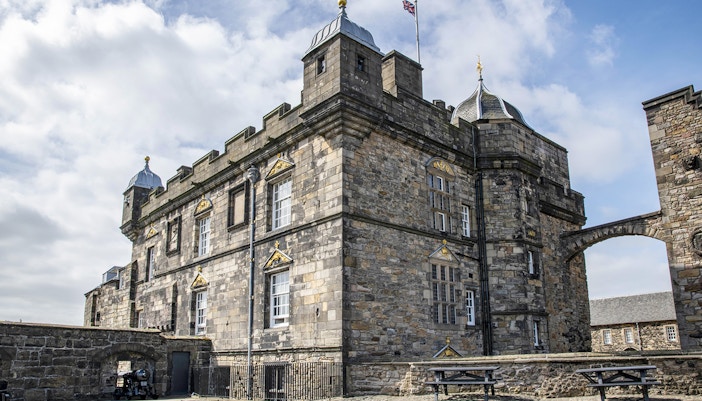
Later monarchs expanded the fortress over time. One notable addition was the Great Hall, commissioned by King James IV and completed in 1511 as a grand ceremonial space for royal gatherings and banquets.

Architecture of Edinburgh Castle

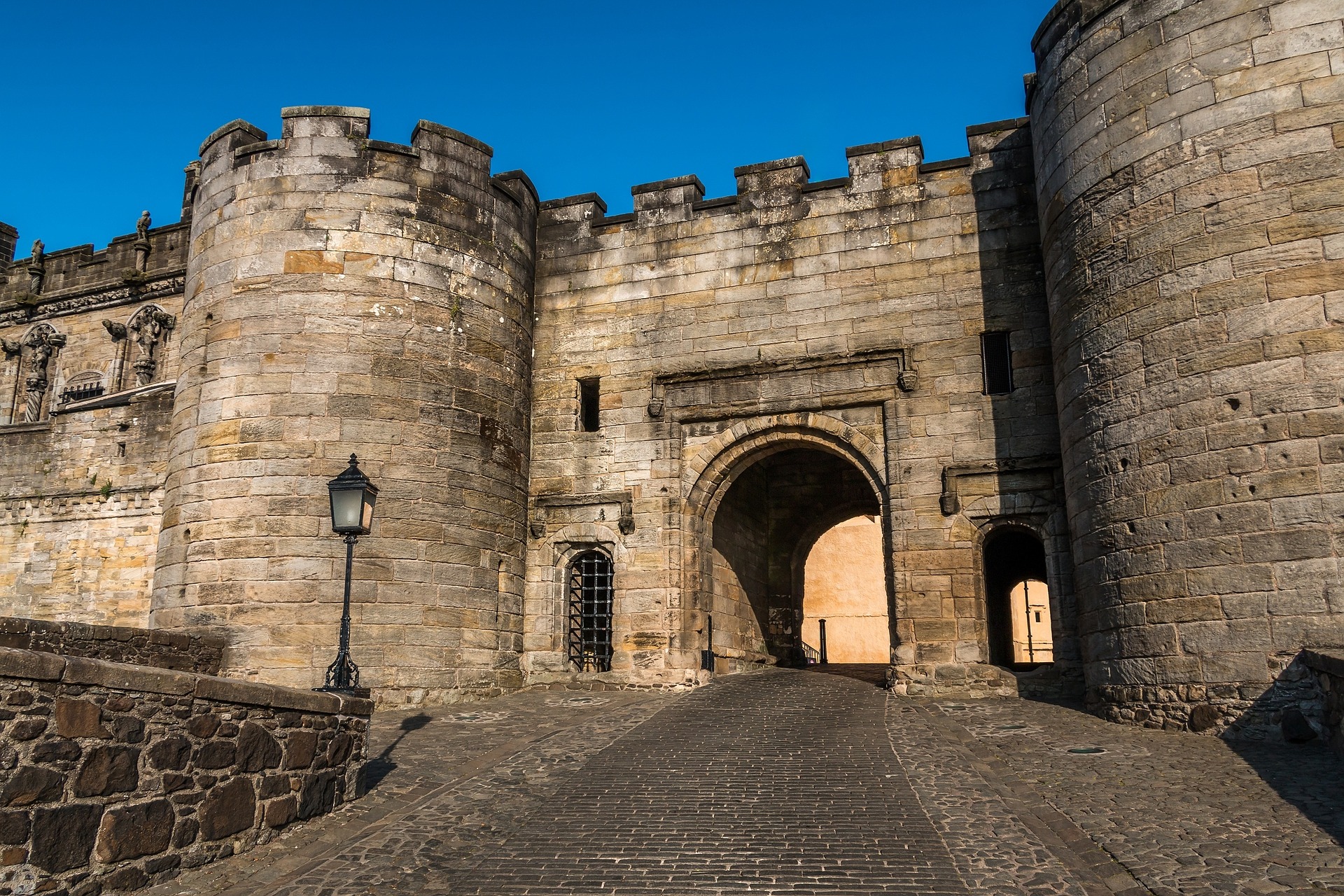
Edinburgh Castle reflects a mix of medieval and Renaissance architectural styles shaped over many centuries. Built on the summit of the volcanic Castle Rock, the fortress takes advantage of steep natural cliffs for defence, while fortified stone walls protect the more accessible eastern approach.

Many structures within the complex date from the medieval and early modern periods, with defensive features such as battlements, artillery positions, and gun batteries highlighting the castle’s long military role. St. Margaret’s Chapel, for example, is built in the Romanesque style, while the Great Hall reflects late medieval design with Renaissance influences. The Half Moon Battery, constructed after the Lang Siege of 1573, forms a curved artillery wall designed to strengthen the castle’s defences against cannon fire. These architectural features reflect how the castle was continually adapted to meet changing military needs.

Frequently asked questions about Edinburgh Castle

Edinburgh Castle stands on Castle Rock at the western end of the Royal Mile in the heart of Edinburgh’s Old Town. Its elevated position makes it visible from many parts of the city and easily accessible while exploring central Edinburgh.

More reads

Edinburgh Castle History

Inside Edinburgh Castle

Edinburgh Castle Timings