The story began in 1909 when visionary Edinburgh lawyer Thomas Gillespie established the Royal Zoological Society of Scotland (RZSS). He envisioned an open-air park where the public could connect closely with nature. In 1913, the society purchased the Corstorphine Hill estate, and when the Edinburgh Zoo opened later that summer, it stood as a masterclass in modern, barless zoological design.
History of Edinburgh Zoo | Discover Scotland's century of conservation
Sprawling over 82 acres on the south-facing slopes of Corstorphine Hill, Edinburgh Zoo has been a beacon of wildlife conservation for over a century. When the Edinburgh Zoo opened on July 22, 1913, it revolutionised zoological design with innovative, barless, moat-enclosed spaces. It remains the only zoo in the UK to hold a Royal Charter, offering a fascinating journey into wildlife heritage without needing a passport to the wilderness.
Edinburgh Zoo timeline
- 1909: Visionary foundation
Lawyer Thomas Gillespie founded the Royal Zoological Society of Scotland (RZSS) to promote wildlife conservation. - 1913: The zoo opens
With city council support, the Corstorphine Hill site is bought for £17,000; the park officially opens to the public on July 22. - 1913: Arrival of the penguins
The zoo becomes the first in the world to house penguins, welcoming six gentoo penguins from the South Atlantic. - 1919: Pioneering breeding
Edinburgh Zoo achieves a global milestone by becoming the first facility to successfully breed a king penguin in captivity. - 1947: Enlistment of Wojtek
Wojtek the Bear, a Syrian brown bear who officially served as a corporal in the Polish Army during WWII, retires to the zoo. - 1950s: The first Penguin Parade
The beloved daily Penguin Parade begins accidentally when a zookeeper inadvertently leaves a gate ajar. - 1972: Military adoption
The Norwegian King's Guard adopts a king penguin named Nils Olav, starting a famous tradition of military promotions. - 2008: Knighting a penguin
In a historic event, Nils Olav is officially knighted by the Norwegian Guard, becoming Sir Nils Olav. - 2011–2023: The panda era
The zoo hosts Tian Tian and Yang Guang, becoming the only park in the UK to house giant pandas until their return to China. - Present day: Conservation leader
Today, the zoo houses over 2,500 animals and drives major global wildlife research and native species reintroduction programs.
Edinburgh Zoo’s history explained
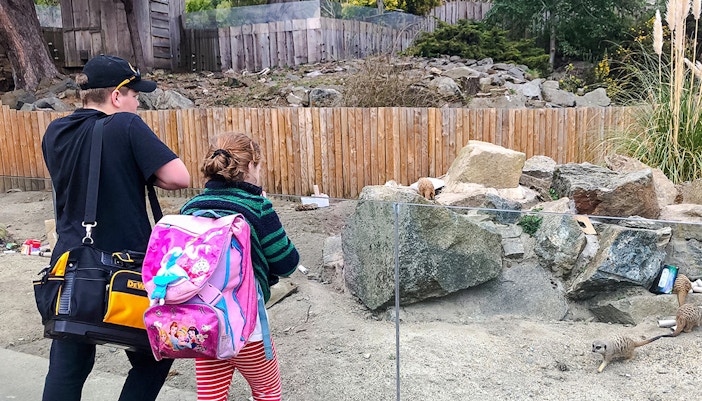
The visionary beginnings (1909–1913)
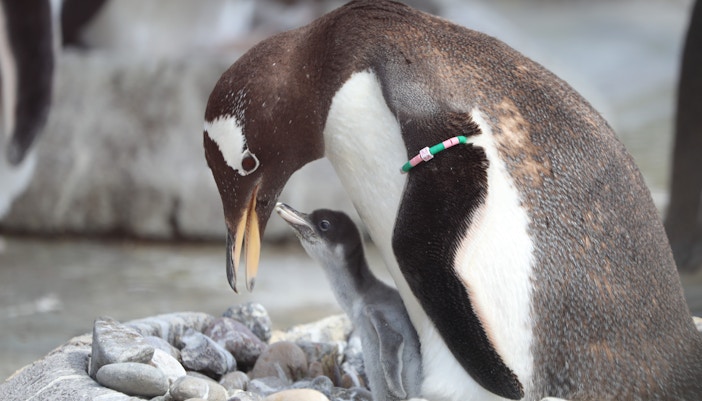
A century of penguin pioneers (1913–1950s)
Since its inception, Edinburgh Zoo has been intrinsically tied to penguins. The zoo made history in 1913 as the first in the world to house them, followed by the world's first successful captive king penguin breeding in 1919. By the 1950s, a simple mistake by a keeper leaving an enclosure gate open birthed the world-famous, charming daily Penguin Parade.
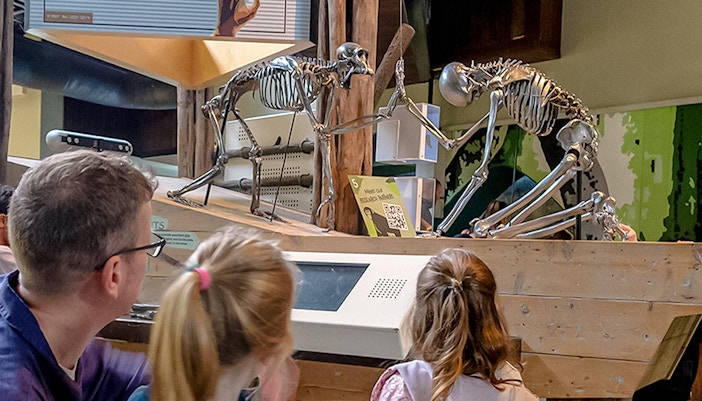
War heroes and decorated knights (1947–2008)
The zoo has famously hosted legendary, non-human historical figures. In 1947, it became the retirement home for Wojtek, the Syrian brown bear who had enlisted as a soldier in the Polish Army during World War II. Decades later, the Norwegian King's Guard formed a unique bond with the zoo's king penguins, culminating in the official knighthood of Sir Nils Olav in 2008.
Construction and architecture of Edinburgh Zoo
The layout of Edinburgh Zoo was masterminded by the influential Scottish urban planner and sociologist Sir Patrick Geddes. Breaking away from Victorian-era iron cages, Geddes designed the park using natural rockfaces, open-air paddocks, and barless moat enclosures inspired by the innovative Hagenbeck style. The zoo was built directly into the steep, south-facing hillside of Corstorphine Hill, integrating the historic 1790s Mansion House at its centre. This architectural approach prioritised animal welfare and panoramic views, setting a new global standard for how zoological gardens should be structured.
Edinburgh Zoo today - Why it matters
Today, Edinburgh Zoo is a premier conservation and research hub managed by the RZSS. Spanning 82 acres, it protects over 2,500 animals from around the globe and stands as the only UK zoo with a Royal Charter. Visitors can witness groundbreaking captive breeding programs, visit the UK's only Queensland koalas, and walk along the historic hillsides that pioneered modern animal welfare.
Frequently asked questions about Edinburgh Zoo’s history
The zoo officially opened to the public on July 22, 1913. It was founded by Edinburgh lawyer Thomas Gillespie under the Royal Zoological Society of Scotland (RZSS), which was established four years earlier in 1909.
Edinburgh Zoo is globally renowned for its pioneering design and its historical milestones with penguins. It was the first zoo in the world to house and breed penguins, and it created the world-famous Penguin Parade. It is also the only zoo in the UK with a Royal Charter.
Wojtek was a Syrian brown bear who was officially enlisted as a soldier in the Polish Army during WWII, helping carry ammunition boxes at the Battle of Monte Cassino. He retired to Edinburgh Zoo in 1947, where he lived out the rest of his life as a beloved celebrity until 1963.
Sir Nils Olav is a king penguin at Edinburgh Zoo who serves as the mascot and Colonel-in-Chief of the Norwegian King's Guard. The guard adopted him in 1972, and he has been steadily promoted through the military ranks over the decades, receiving an official knighthood in 2008.
No. Edinburgh Zoo hosted two giant pandas, Tian Tian and Yang Guang, for a 12-year period starting in 2011. They successfully returned to China in December 2023 as part of the international conservation agreement.


