- Budget 2.5–4 hours for Edinburgh Zoo. The shorter visit works if you focus on the headline habitats, skip a café stop, and move purposefully between the summit and the lower paths. Closer to 4 hours feels realistic if you want to catch keeper talks, pause for lunch, and wait for the penguin waddle.
- The smartest route is to head uphill first, either on foot or by the free hilltop safari bus, then work your way down. That saves your energy for the steepest stretch and lets you see the higher habitats earlier, when you’re freshest, and animal activity often feels stronger. From there, move through the chimpanzees and giraffes, then loop toward the koalas and end near Penguins Rock.
- Must-see: Budongo Trail, the giraffes, koalas, and Penguins Rock, especially if the Wee Waddle is running. Optional: native-species habitats and longer stops at the carnivore enclosures, which add 30–45 minutes and reward slower watching rather than quick photos. Self-paced works well here, but guided context adds real value around chimp behaviour, conservation breeding, and why some habitats are designed the way they are.
Quick Information
RECOMMENDED DURATION
5+ hours
Timings
10:00–18:00
VISITORS PER YEAR
550000
TICKETS
From $36.14
NUMBER OF ENTRANCES
2
EXPECTED WAIT TIME - STANDARD
1-2 hours (Peak), 0-30 mins (Off Peak)
Did you know?
Edinburgh Zoo was the first zoo in the world to house and breed penguins, starting its famous Penguin Parade tradition in the 1950s.
One king penguin was adopted by the Norwegian King’s Guard in 1972 and later knighted as honorary colonel Sir Nils Olav III, with parades at the zoo still honouring the lineage.
From 2011 to 2023, Edinburgh Zoo hosted the UK’s only giant pandas, Yang Guang and Tian Tian, drawing global attention.
Is Edinburgh Zoo worth visiting?
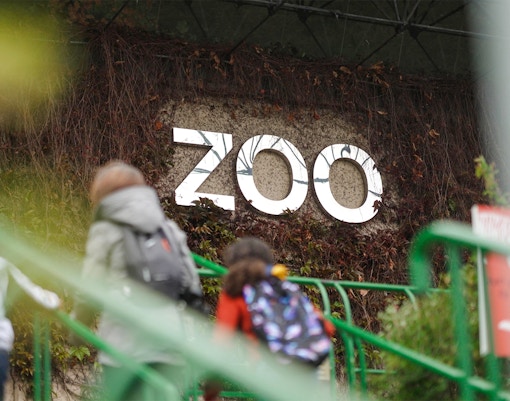
You notice the hill first. Paths rise through trees and lawns, city rooftops appear between enclosures, and the place feels more like a park with wildlife woven through it than a compact urban zoo. One turn brings penguins, another chimpanzees, then a quiet koala house.
Edinburgh Zoo opened in 1913 as Scotland’s national zoological park, and that original ambition still shapes the visit. It was built not just to display animals, but to connect city visitors with global wildlife, research, and conservation in a setting roomy enough to feel alive.
The payoff is range without rush: you can watch penguins waddle, stand nearly eye-level with giraffes, and hear conservation stories that make each habitat feel purposeful. You leave with the sense that this is a working conservation zoo, not just a box-ticking attraction.
Skip it if: steep outdoor walking, changeable weather, or a half-day spent mostly outside sounds tiring rather than fun.
What to see at Edinburgh Zoo?
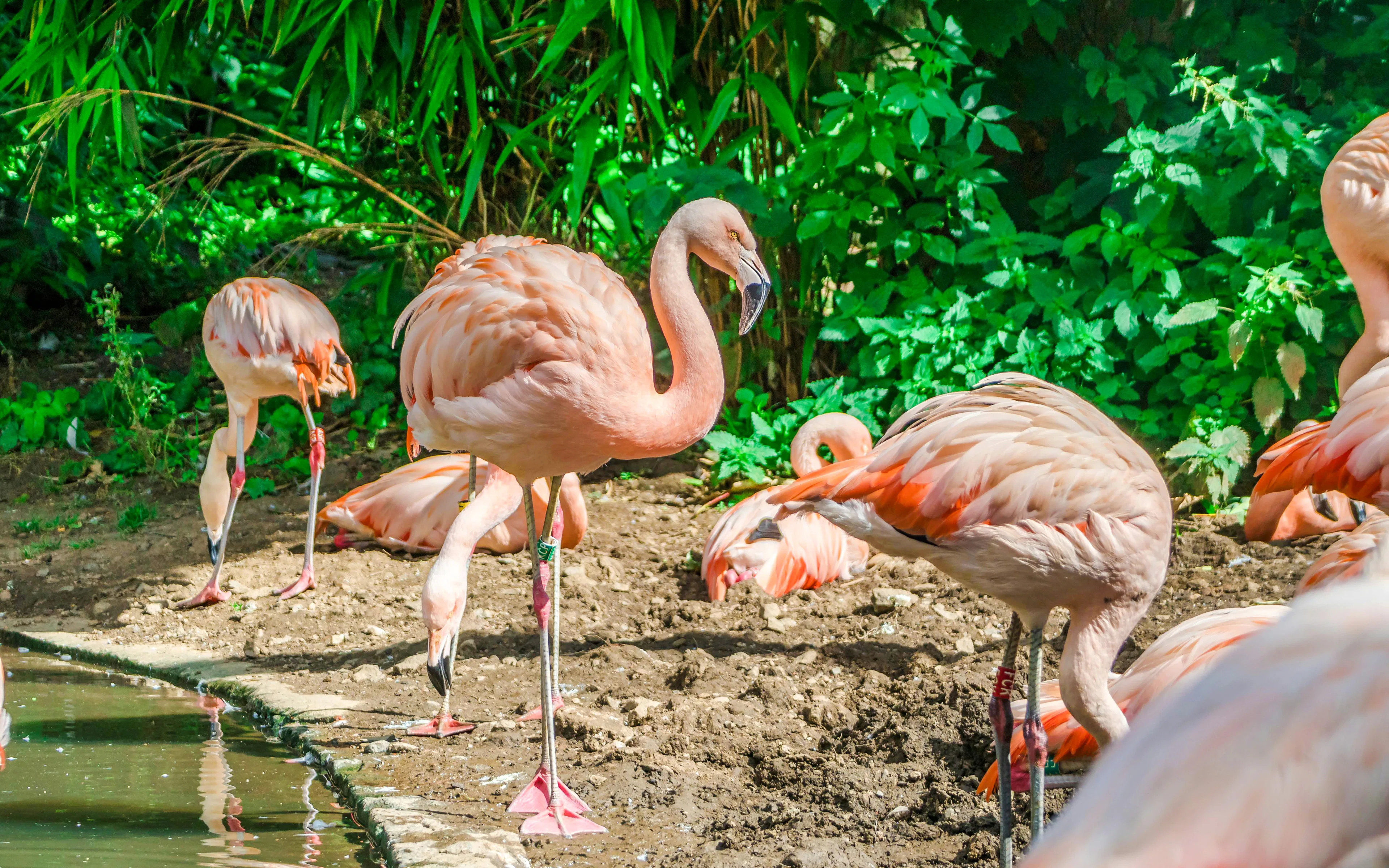
1/7
Hilltop safari bus
Take the free hilltop safari bus early if you want to save energy for the animal habitats. It tackles the steepest climb first and helps you understand the zoo’s hillside layout before you explore on foot.
Budongo Trail
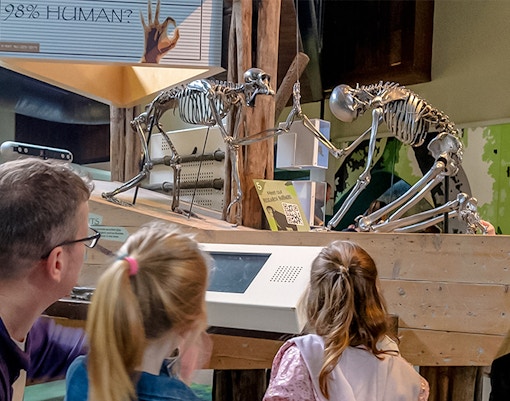
One of the zoo’s signature zones, Budongo Trail pairs indoor and outdoor chimpanzee spaces with strong glass viewing points. Time your visit around a keeper talk for much richer context than the signs alone provide.
Nubian giraffes
The giraffe area opens beautifully across higher ground, with long sightlines and room to watch the herd move. Stand near the viewing platform if you want your best chance at close-up photos.
Koala Territory
Scotland’s only koalas live here, often draped over branches or calmly chewing eucalyptus. Morning is usually better for catching them more alert, and the sheltered viewing area is a welcome break in bad weather.
Penguins Rock and the Wee Waddle
Families naturally linger here, but the real draw is the scheduled penguin waddle. Arrive 10–15 minutes early if you want a clear viewing spot, because this is one of the zoo’s most crowd-gathering moments.
Big cats and carnivores
These larger predator habitats reward patience more than speed. You will spend more time scanning than snapping photos, which makes them a good stop later in the visit when you are less tempted to rush onward.
Scottish wildlife and smaller species
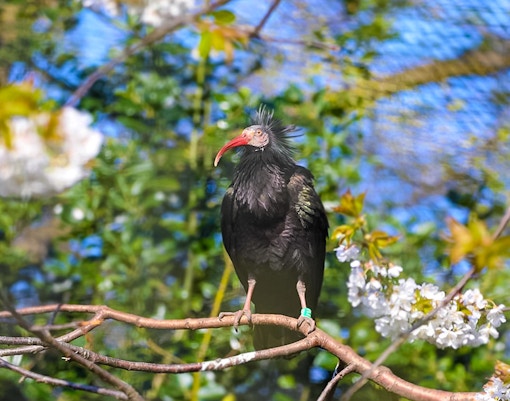
Do not only chase the biggest animals. Native species and smaller habitats add context to the zoo’s conservation work, and they are often easier to enjoy while bigger exhibits are drawing the heaviest crowds elsewhere.
How to explore the Edinburgh Zoo
Brief history of Edinburgh Zoo
- 1913: Edinburgh Zoo opens as the Scottish National Zoological Park, created by the Royal Zoological Society of Scotland on sloping grounds west of the city.
- 1914: The zoo becomes the first in the world to house and breed king penguins, helping establish penguins as one of its defining attractions.
- 20th century: The site evolves from a traditional zoological park into a more landscaped, conservation-focused institution with larger habitats and public education at its core.
- 2008: Budongo Trail opens, bringing a major chimpanzee facility and a research partnership that gives the zoo a stronger scientific role.
- 2011: Giant pandas Yang Guang and Tian Tian arrive, drawing international attention and a major spike in visitor interest.
- Today: Edinburgh Zoo remains the flagship site of the Royal Zoological Society of Scotland, combining wildlife encounters with active conservation, breeding, and research work.
Who built Edinburgh Zoo?
Edinburgh Zoo was created by the Royal Zoological Society of Scotland, which opened it in 1913 as Scotland’s national zoological park. The ambition was bigger than entertainment: the society wanted a public institution that combined animal care, scientific study, education, and, increasingly, conservation.
Because Edinburgh Zoo was founded by a society rather than a single star architect, its defining vision was institutional. The emphasis was on generous outdoor space, educational access, and habitats that could evolve with animal care standards, which is still visible in the zoo’s broad hillside layout.
Additional information about Edinburgh Zoo
Edinburgh Zoo is easy to enjoy as a family day out, but its real importance goes beyond the visitor path. It is run by the Royal Zoological Society of Scotland, a conservation charity, so ticket revenue helps support breeding programs, fieldwork, and wildlife protection projects in Scotland and abroad. That changes the tone of the visit: the best exhibits do not just show animals well, they explain why those species are vulnerable and what modern zoos can still contribute. For many visitors, that makes the day feel more substantial than a standard animal attraction.
Frequently asked questions about Edinburgh Zoo
Yes, especially if you want a full half-day attraction rather than a quick stop. The mix of penguins, chimpanzees, koalas, and hillside views gives it real range. For a simple visit, book Edinburgh Zoo tickets in advance.
Most visitors spend 3–4 hours here. You can do the main habitats in about 2.5 hours, but talks, lunch, playground stops, and waiting for the penguin waddle can easily stretch the visit toward half a day.
Do not skip Budongo Trail, the giraffes, Koala Territory, and Penguins Rock. If the Wee Waddle is running that day, build your route around it, because it is one of the few moments that reliably gathers a crowd early.
Yes, it works very well for families and first-time visitors. The zoo is stroller-accessible, but the slopes are real, so use the hilltop safari bus and plan for a slower pace with younger children.
Weekday mornings are the easiest for a calmer visit. In warmer months, arrive near opening, head uphill first, and circle back down later. That helps you avoid tackling the steepest paths after the zoo gets busier.
Yes, advance booking is the safer move for weekends, holidays, and school breaks. Use Edinburgh Zoo tickets, or choose a bundle like Edinburgh Zoo tickets + Hop-on Hop-off bus tour if you also want city transport.
Yes, and combo tickets make the planning easier. Palace of Holyroodhouse + Edinburgh Zoo tickets work well for a wildlife-and-history day, while Edinburgh Zoo + Edinburgh Dungeon tickets suit families splitting the trip across two days.