All about Camera Obscura and World of Illusions | Five floors of optical surprises

Why is Camera Obscura and World of Illusions a must visit attraction?

Walk into Camera Obscura and World of Illusions on the Royal Mile and the mood shifts instantly. This is not a quiet gallery where you whisper and move on. It is a five floor playground packed with puzzles, projections, mirrors, and optical surprises that make you question what your own eyes are doing.

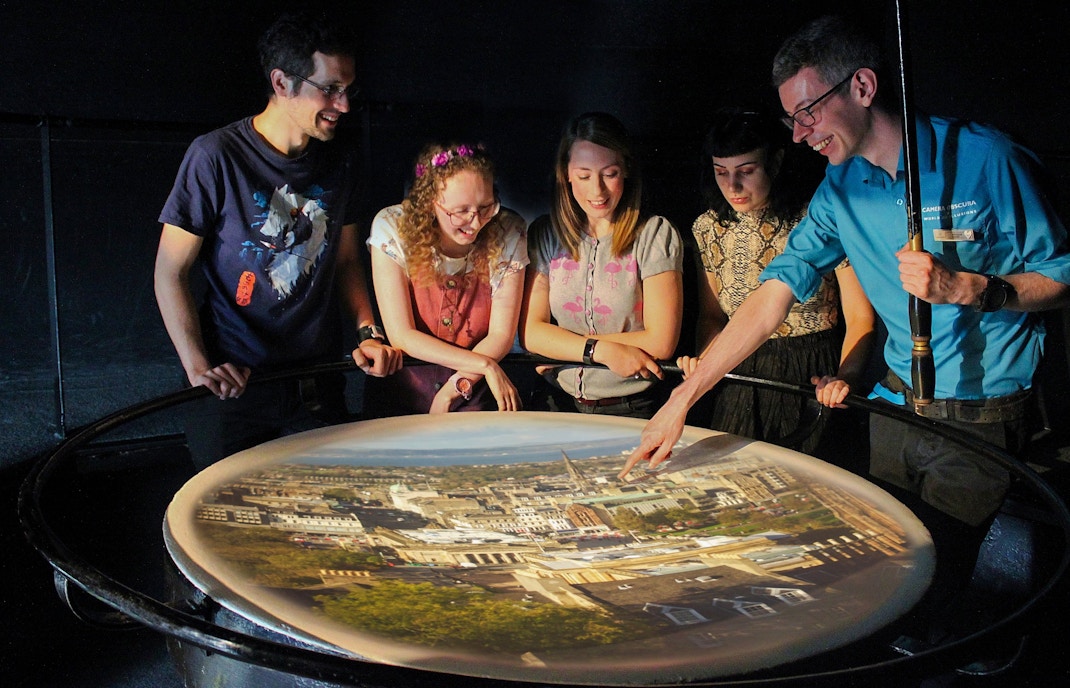
At the very top sits the historic camera obscura theatre. In a darkened room, a live projection of Edinburgh appears on a viewing table, moving in real time as the guide rotates the lens. Cars glide past, people wave from the street below, and distant landmarks suddenly feel close enough to touch. It is simple technology, yet completely spellbinding.

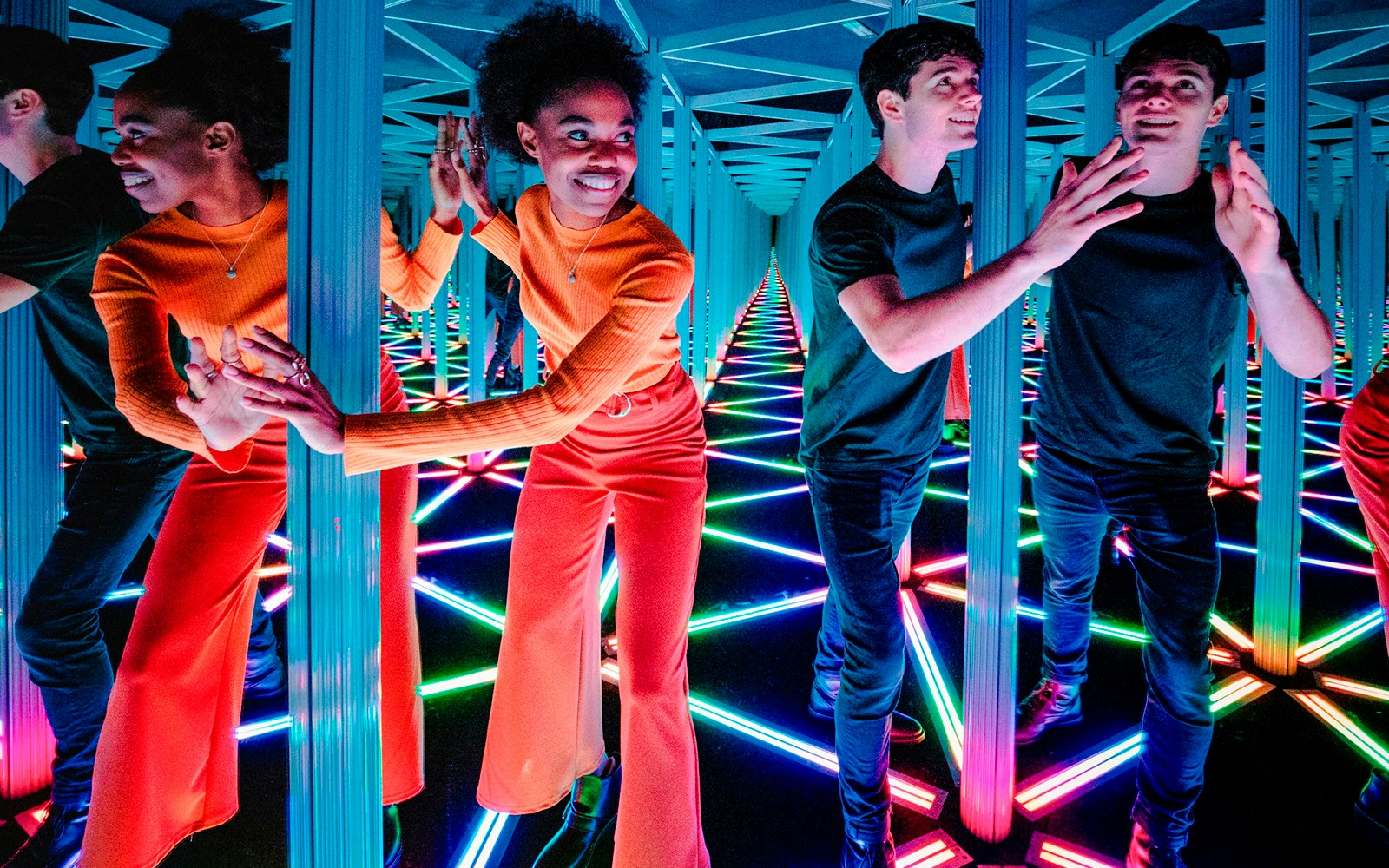
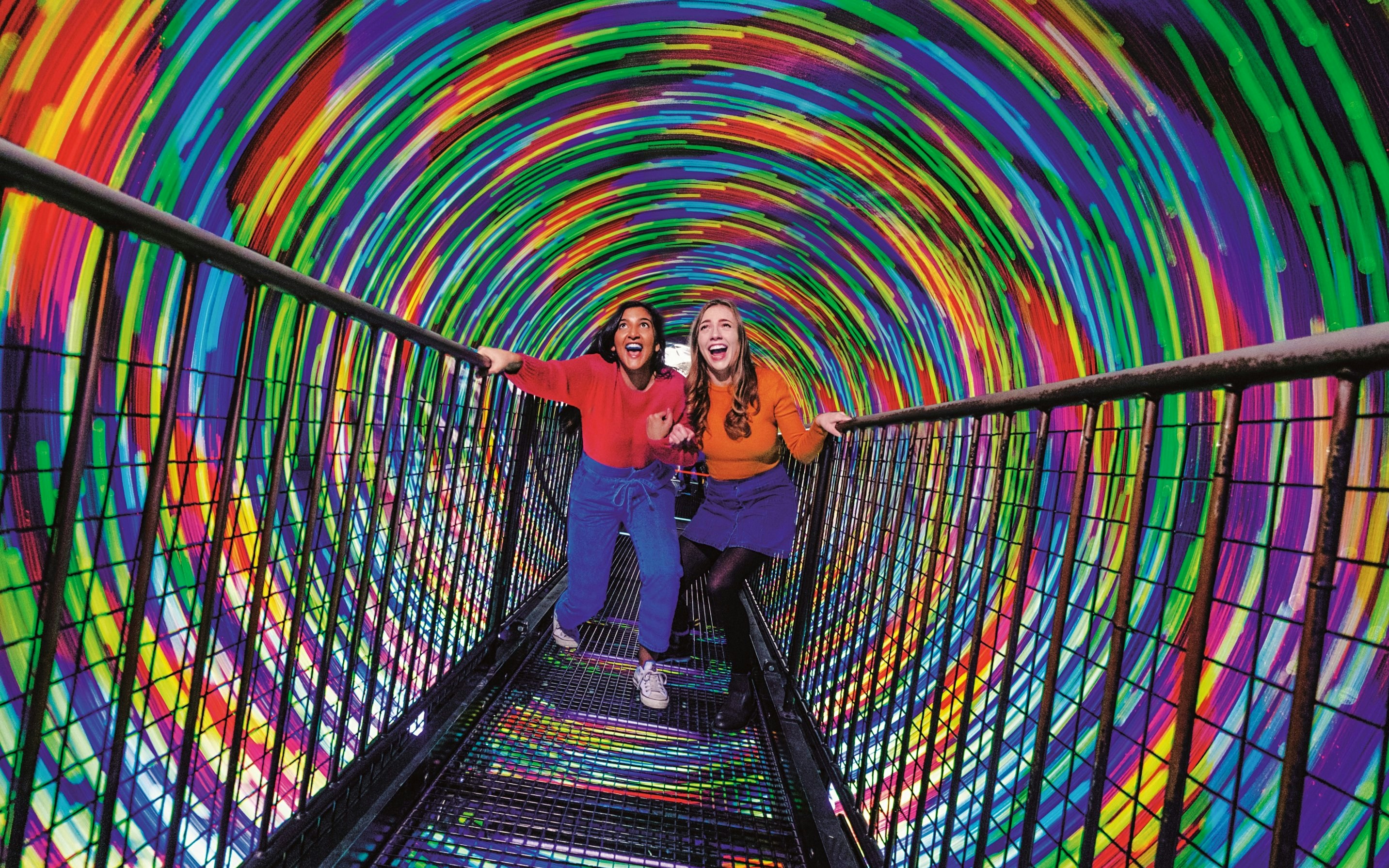
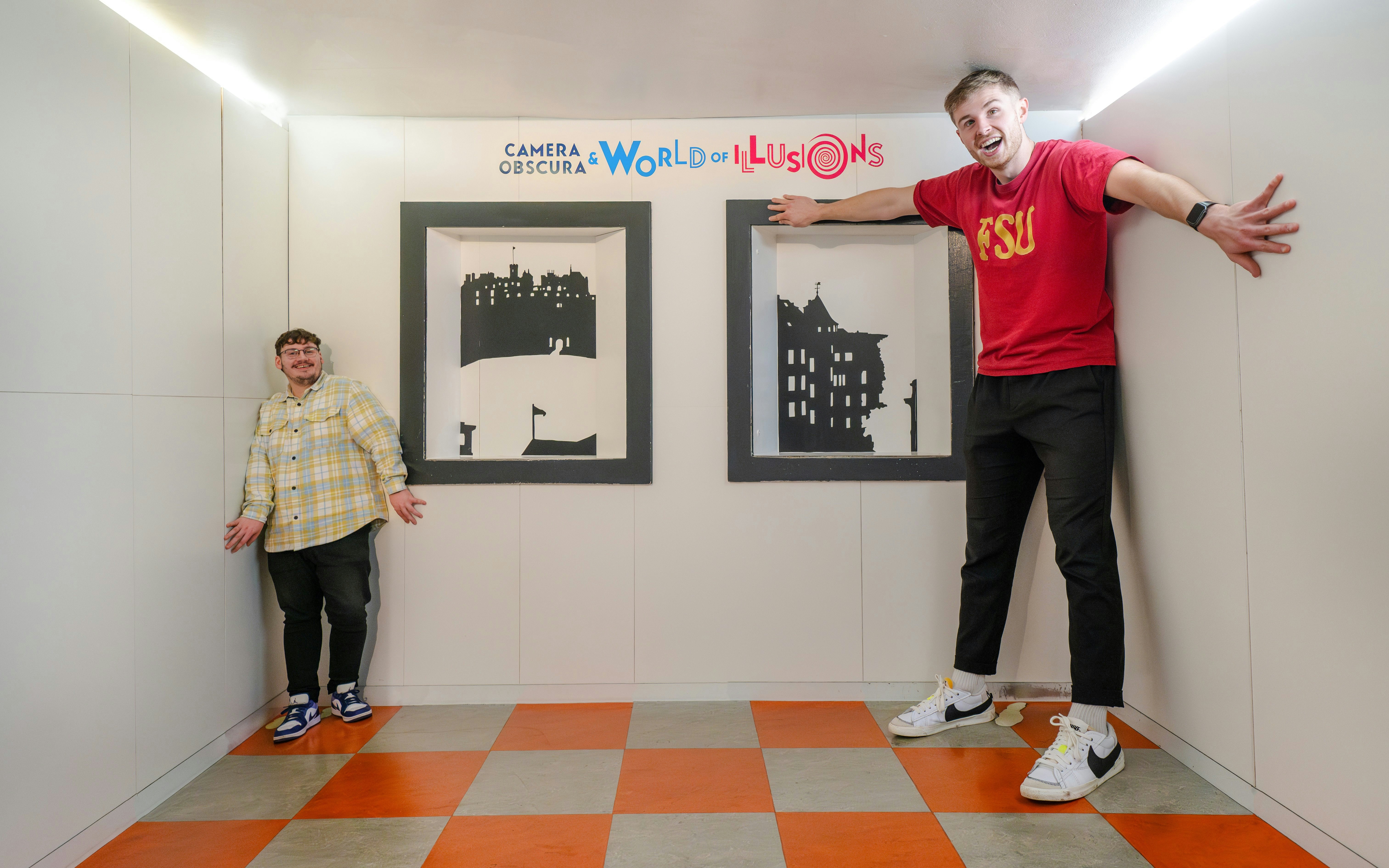
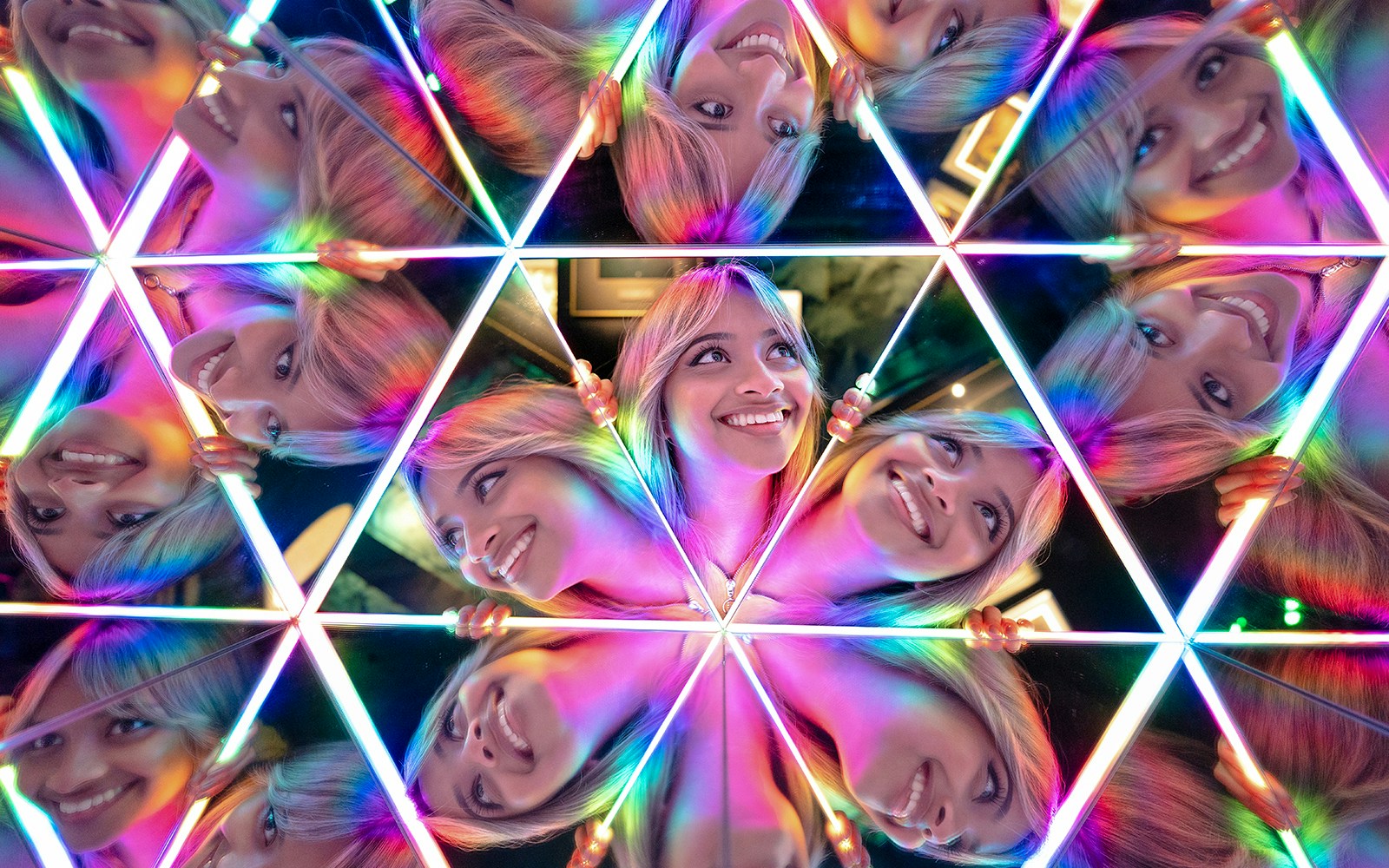
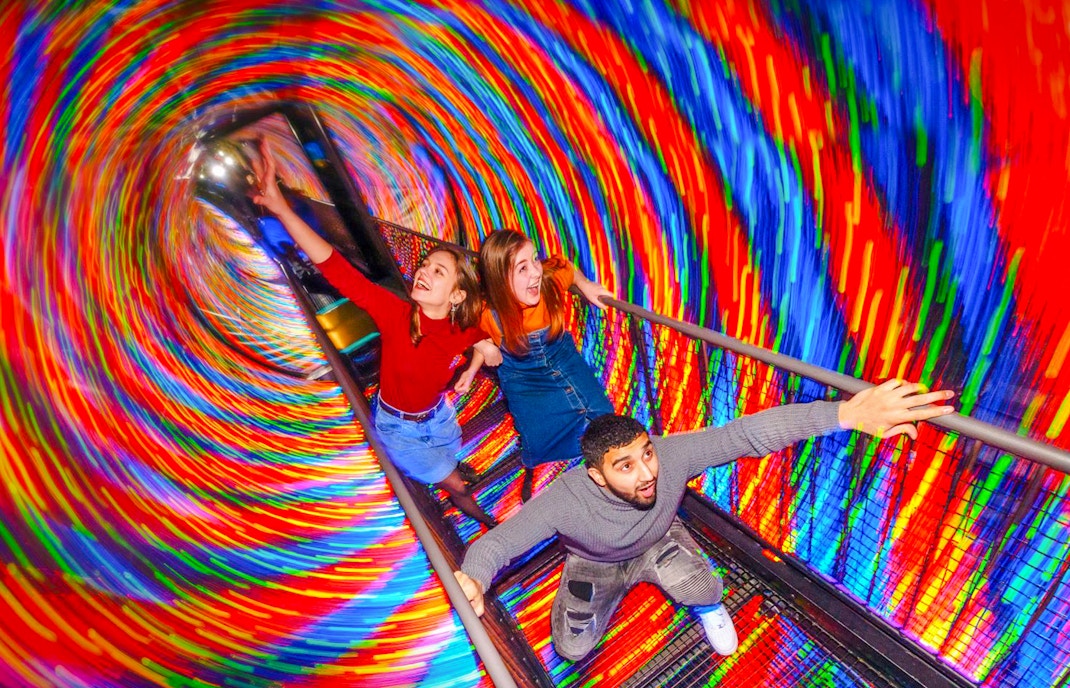
Below that, every level feels different. You shrink beside a friend in an Ames Room, lose direction in a mirror maze, and watch your shadow multiply in shifting light tunnels. Some exhibits are playful, some are quietly scientific, and some are just pure chaos in the best way.

What makes Camera Obscura and World of Illusions stand out is the balance between history and hands-on fun. It is smart without being heavy, interactive without being overwhelming, and compact enough to enjoy in a couple of hours while still packed with surprises around every corner.
What to see at Camera Obscura and World of Illusions?

The Camera Obscura Show

Inside the rooftop chamber, a periscope system projects a live moving image of Edinburgh onto a white table. The guide zooms toward landmarks, tilts across rooftops, and explains how light travels through lenses to create this real time spectacle.

World of Illusions Galleries

Spread across multiple floors, these galleries feature holograms, forced perspective rooms, and visual puzzles that shift depending on where you stand. Each display invites you to test depth, balance, colour perception, and spatial awareness.

Light and Shadow Exhibits

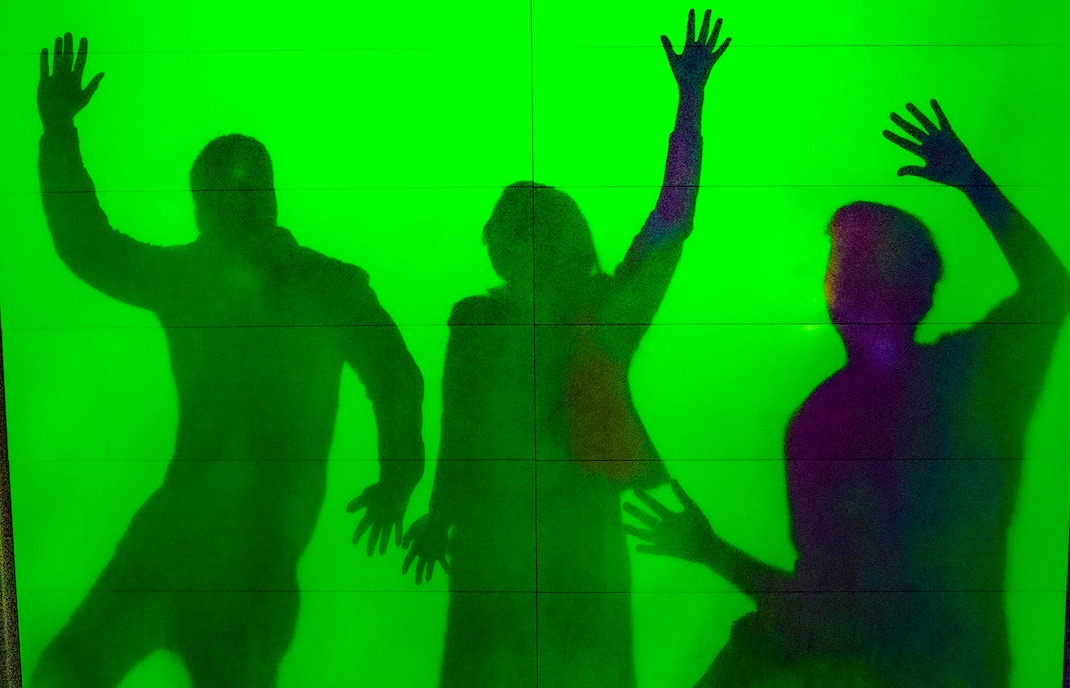
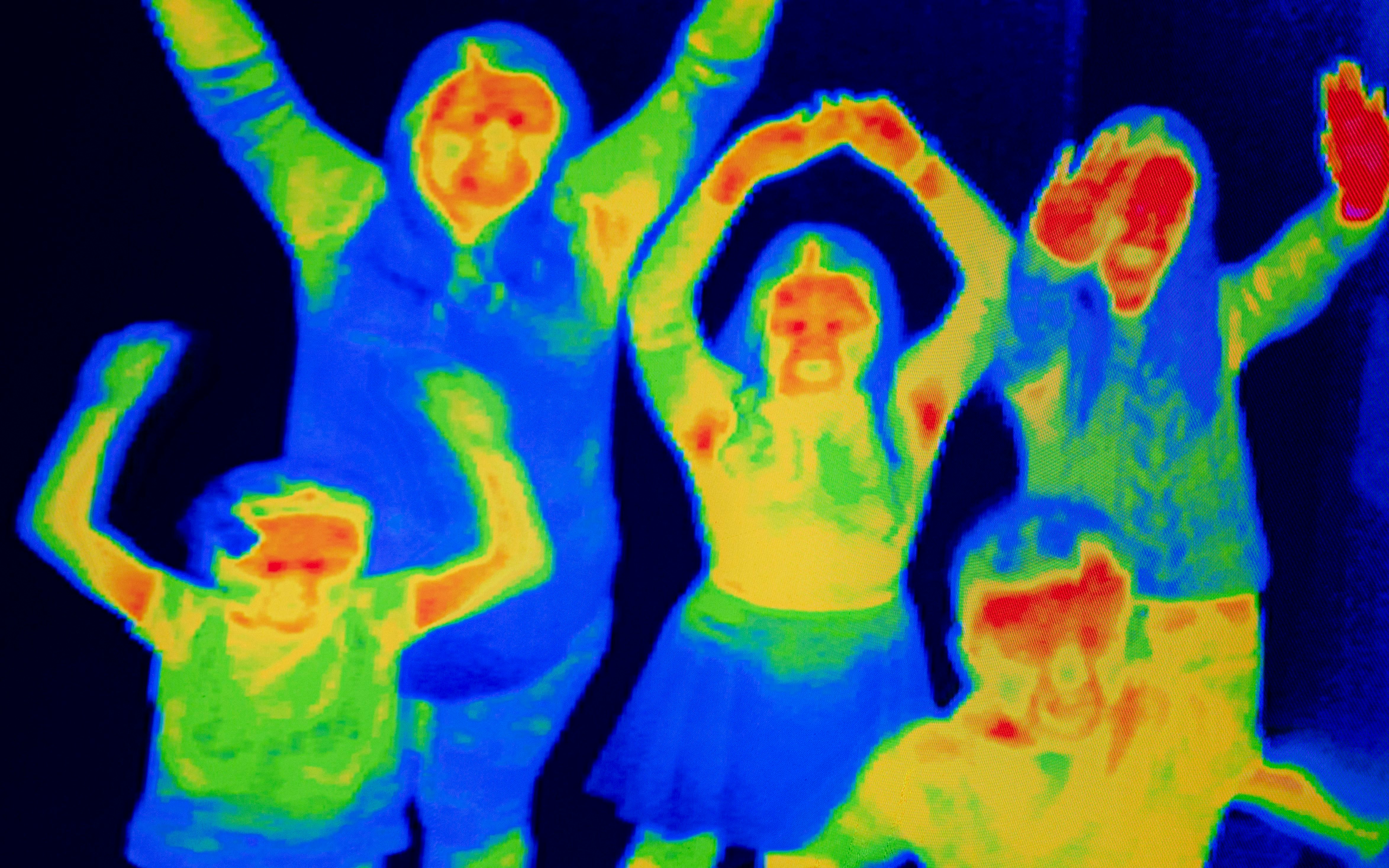
Interactive displays transform your silhouette into moving patterns of colour and repetition. As you jump or wave, your shadow multiplies, stretches, and dissolves, turning simple movement into a surprisingly artistic spectacle.

Rooftop Terrace

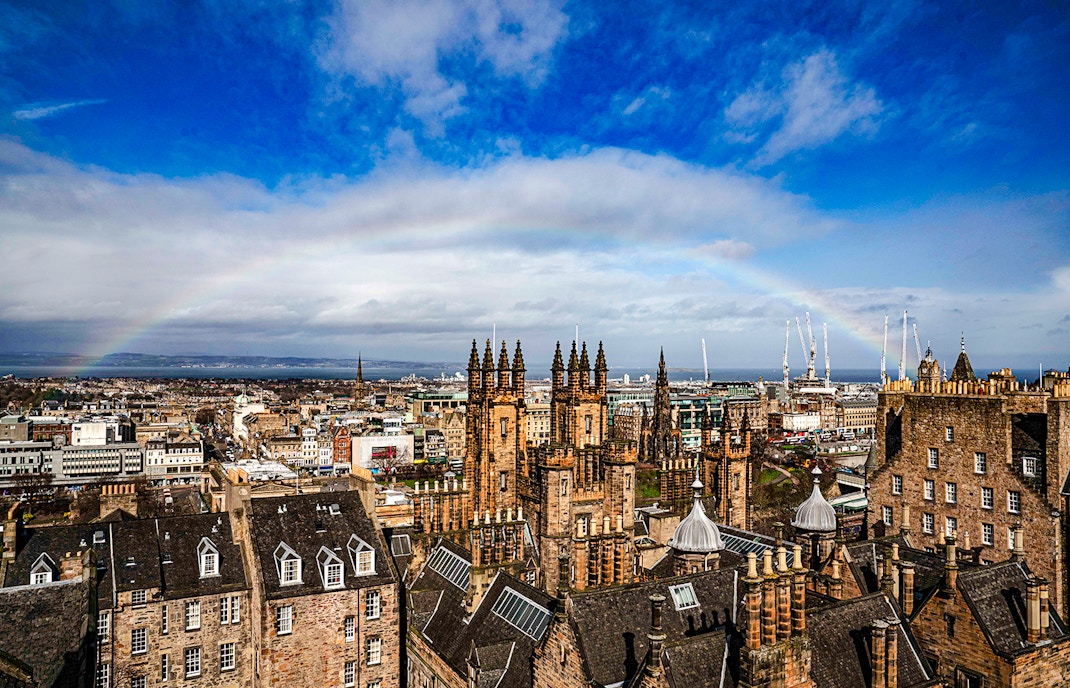
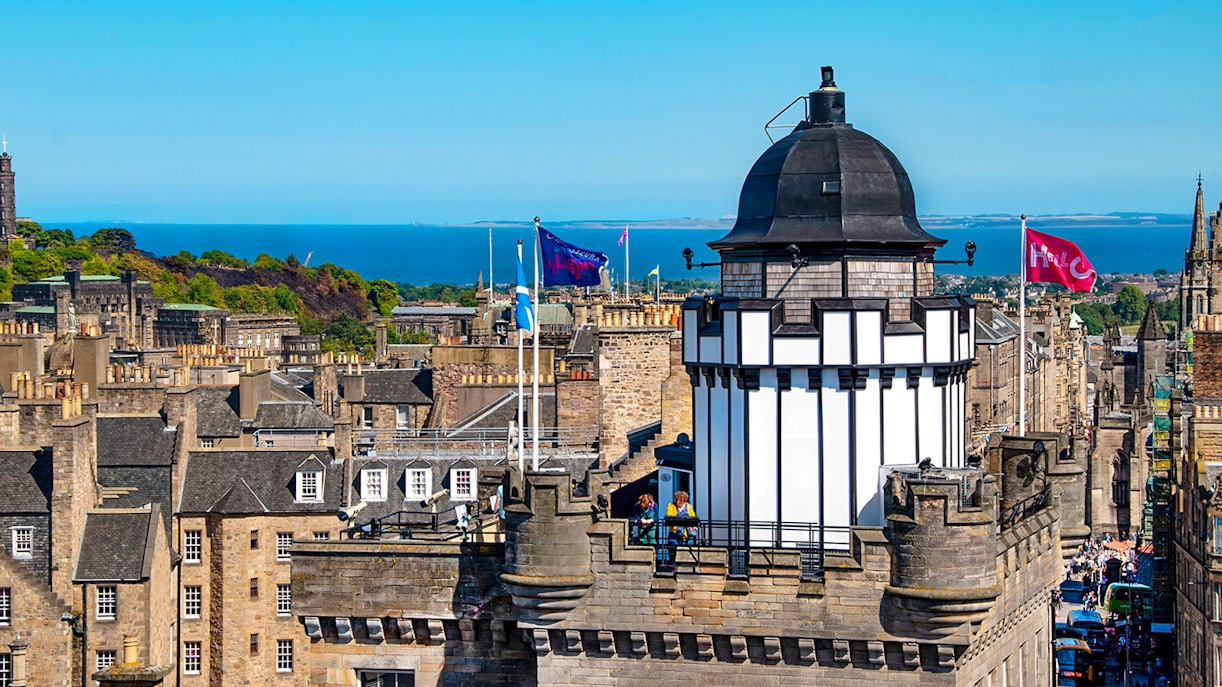
At the top of the Camera Obscura and World of Illusions, step outside onto a terrace with clear views of Edinburgh Castle, Princes Street, and the Firth of Forth. It is one of the most accessible panoramic viewpoints in the Old Town.

Brief history of Camera Obscura and World of Illusions

  • Early 1800s origins: In the 19th century, the camera obscura arrived in Edinburgh as a scientific curiosity, captivating audiences eager to understand how light and lenses could project the outside world indoors.
  • 1853 Royal Mile installation: In 1853, the current Royal Mile site became home to a permanent camera obscura, drawing crowds fascinated by live city projections decades before photography became widely accessible.
  • 20th century expansion: Throughout the 1900s, the historic projection theatre was carefully preserved while additional illusion exhibits were introduced, gradually transforming the building into a multi level attraction.
  • Late 1900s reinvention: By the late 20th century, interactive optical displays, mirror mazes, and hands on science exhibits expanded the concept, evolving into what is now camera obscura and world of illusions.
  • Present day experience: Today, camera obscura and world of illusions blends Victorian projection technology with modern immersive installations, keeping the original rooftop show central to its identity and visitor appeal.

Who built Camera Obscura and World of Illusions?

The Camera Obscura was installed in 1853 by entrepreneur Maria Theresa Short after relocating her attraction from Calton Hill to a 17th century Royal Mile tenement. She expanded the building with additional floors for better city views, operating it as “Short’s Observatory” and capitalising on strong public interest in optics and live projection.

After her death, Patrick Geddes acquired the site in 1892, renaming it Outlook Tower and using the Camera Obscura for urban education. Following periods of university and private ownership, modern operators expanded it into Camera Obscura and World of Illusions, adding themed illusion floors while preserving the original rooftop projection chamber.

Architecture of Camera Obscura and World of Illusions

Camera Obscura and World of Illusions occupies a narrow 17th century six storey stone tenement at 549 Castlehill on Edinburgh’s Royal Mile. The exterior blends with surrounding medieval closes and crow step gables, while additional upper floors were added in 1853 to improve observatory views across the city skyline.

Inside, six compact levels are linked by steep spiral staircases, creating a vertically stacked layout. The circular rooftop Camera Obscura chamber projects live city panoramas, while lower floors house themed illusion galleries using mirrors, angled walls, and controlled lighting to manipulate depth and perspective.

Frequently asked questions about Camera Obscura and World of Illusions

It is known for its historic rooftop projection show and five floors of interactive illusions, blending Victorian optical science with modern hands-on exhibits.